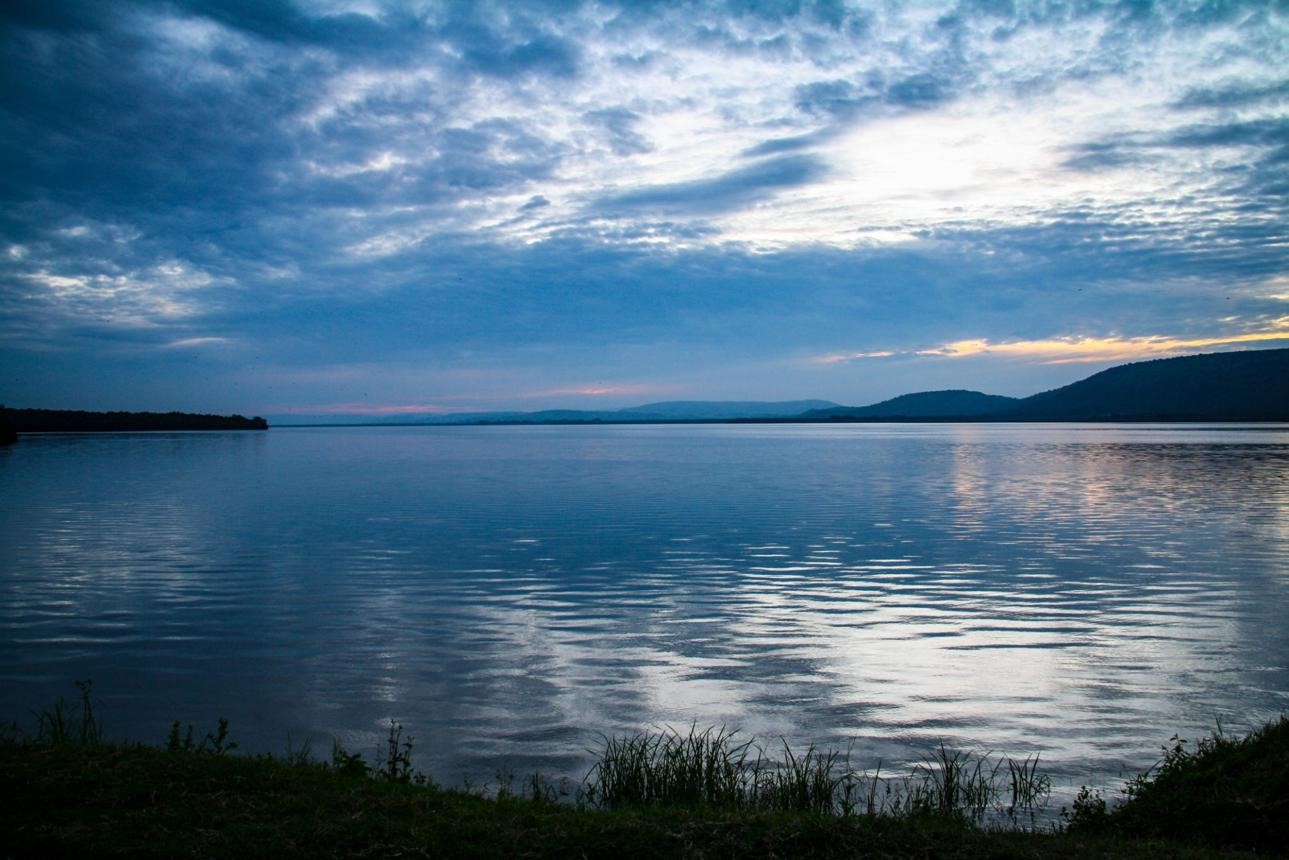
Lake Mburo National Park sits quietly in western Uganda, often overshadowed by bigger parks, but for many travelers it turns out to be the most memorable. It doesn’t try too hard to impress—you notice it slowly. The low hills, scattered acacia trees, and calm lakes give it a softer, more open feel than the typical safari landscape.
The park’s story is closely tied to the local Banyankole people. Traditionally, this area was grazing land for their famous long-horned cattle. In 1963, it was first gazetted as a controlled hunting area, then upgraded to a game reserve, and later became a national park in 1983.
That transition wasn’t smooth. Some local communities resisted losing access to grazing land, and for years there were tensions, encroachment, and even loss of wildlife. Over time, however, conservation efforts and community involvement improved, and today Lake Mburo stands as an example of how wildlife and local culture can coexist—especially with controlled grazing still visible in surrounding areas.
One of the first things guides will tell you is that Lake Mburo has no lions. Historically, lions were present, but they were eliminated over time, mainly due to conflicts with pastoralists protecting their cattle. The same pressure affected other large predators like elephants. At first, this might sound like something missing but it actually defines the entire experience of the park.
Without lions and other large predators:
• The environment feels less tense and more open
• Animals are less skittish, making them easier to observe
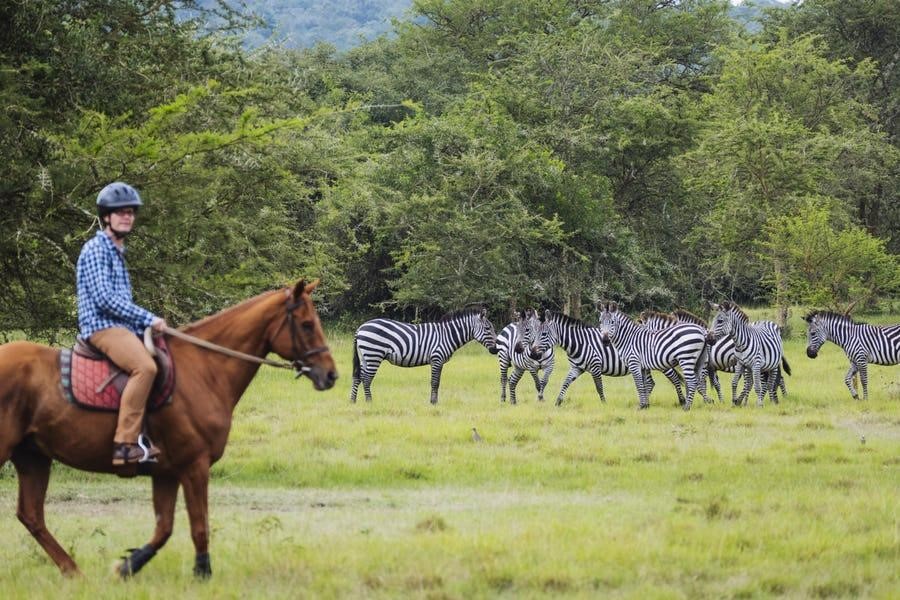
• Visitors can safely take part in walking, cycling, and horseback safaris
Instead of watching wildlife from a distance inside a vehicle, you find yourself in it—moving at the same level as zebras and antelopes, hearing every sound, noticing details you would otherwise miss.
Lake Mburo is not about “the Big Five.” It’s about closeness.
You’ll see:
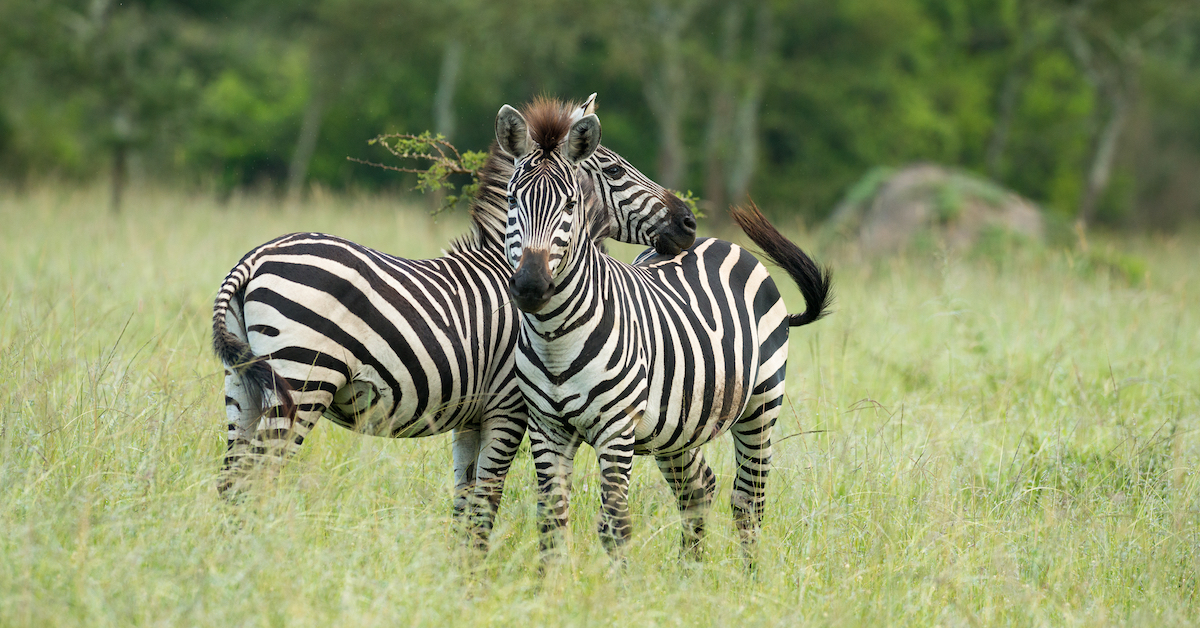
• Large groups of zebras, often right by the roadside
• Impalas, which are rare elsewhere in Uganda
• Elands, the largest antelopes, moving slowly through the bush
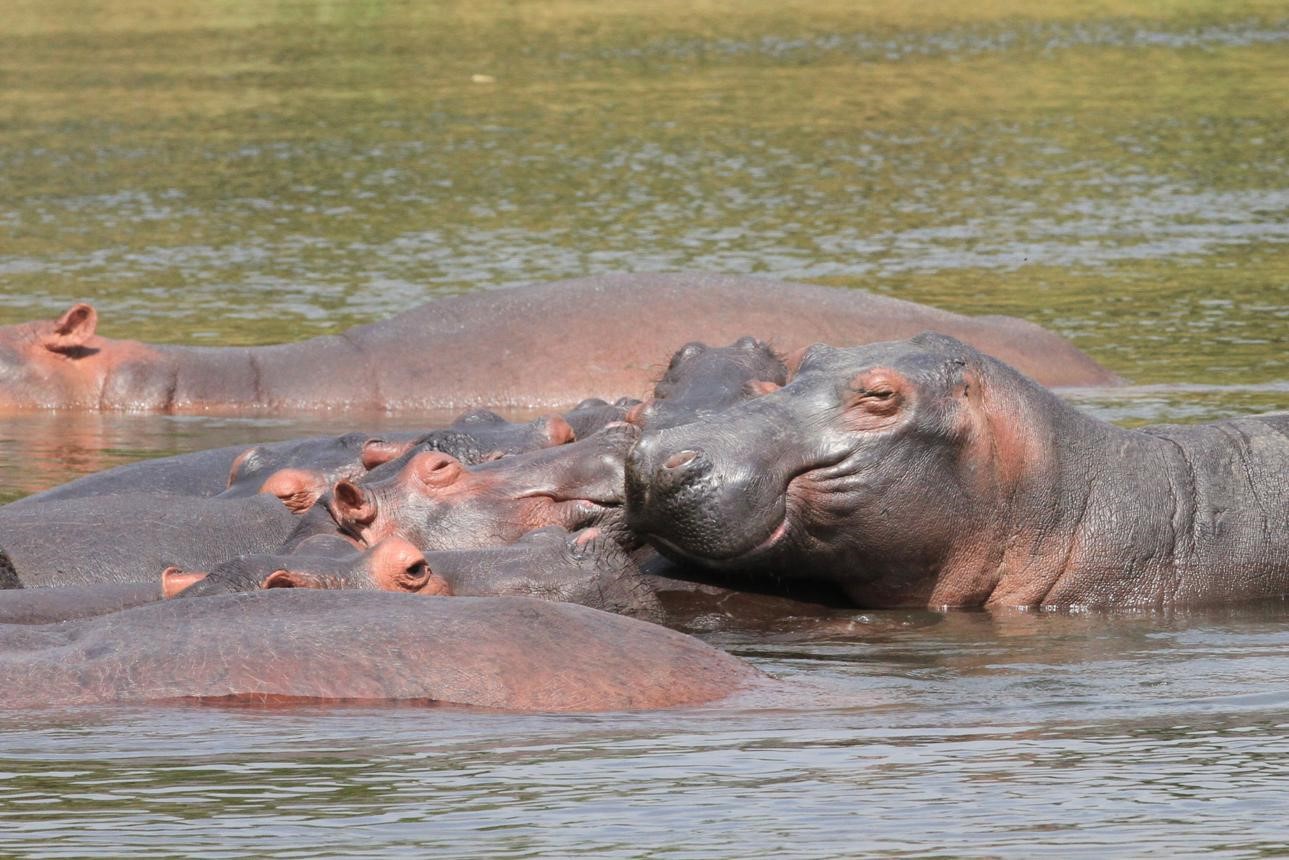
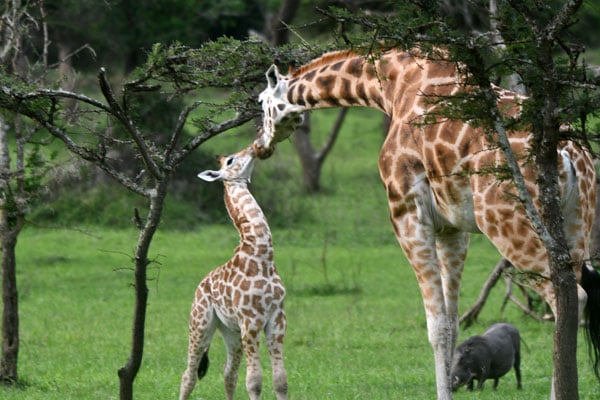
• Buffaloes, warthogs, and hippos
• A wide variety of birds around the lakes and wetlands
Because the park is smaller and less crowded, sightings feel unforced. There’s no rush, no competition—just time to watch.
One of the most distinctive features of this area is the presence of Ankole cattle—with their wide, sweeping horns. These cattle are part of the identity of the Banyankole people and still graze in areas surrounding the park.
Their presence is closely linked to the absence of lions. Protecting these herds was one of the reasons predators were pushed out in the past. Today, the cattle remain a cultural symbol and a visual reminder that this landscape is shared between people and wildlife.
Seeing zebras grazing in one direction and Ankole cattle in another creates a unique blend of wildlife and pastoral life that you won’t find in most national parks.
Lake Mburo doesn’t overwhelm you with drama. It’s quieter than that. It’s a place where you slow down, where the line between wildlife and everyday life feels thinner, and where the absence of certain animals actually creates a more personal connection to the environment.
For someone who has never been there, it’s a good introduction to safari—not because it has everything, but because what it offers feels real, accessible, and close.