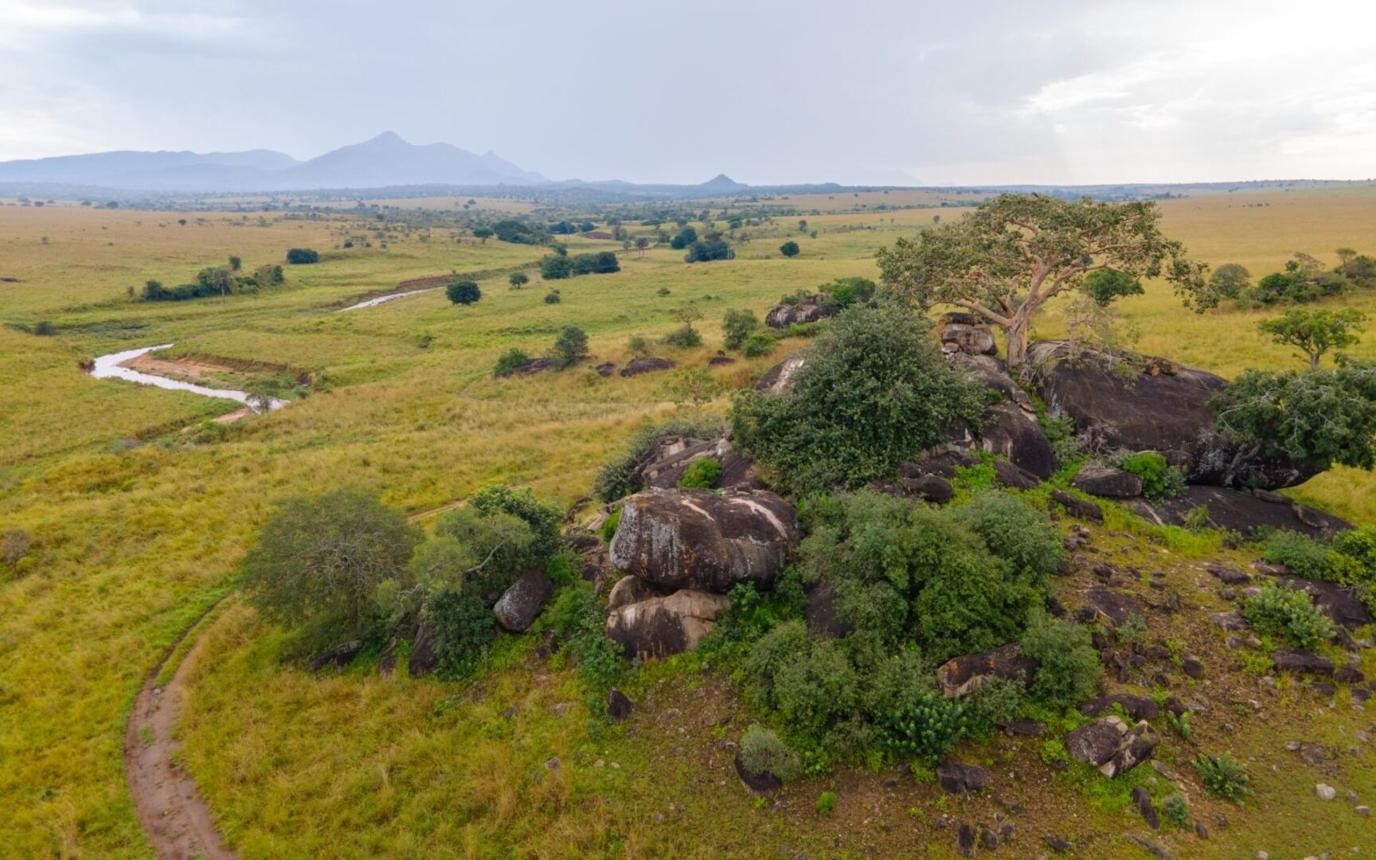
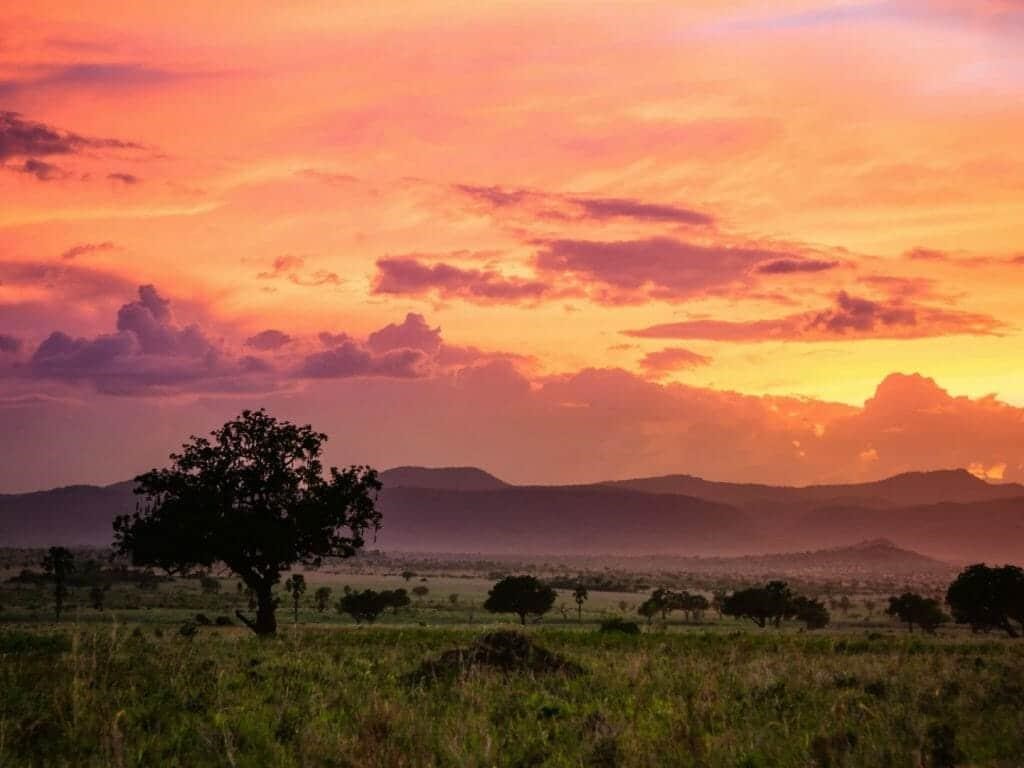
Kidepo Valley National Park is Uganda’s most remote and arguably most wild national park, found in the far northeast in the Karamoja region, bordering South Sudan and Kenya. Because of its isolation, it offers a raw, untouched safari experience that feels very different from the more visited parks in the country.
Kidepo covers about 1,442 square kilometres, making it one of Uganda’s largest conservation areas.
Kidepo stands out even when compared to parks like Murchison Falls National Park and Queen Elizabeth National Park.
• Very remote and less crowded
• Minimal human interference
• Ideal for travelers seeking solitude and authenticity
Kidepo is the only park in Uganda where you can reliably find:
• Cheetahs
• Ostriches
• Bat-eared foxes
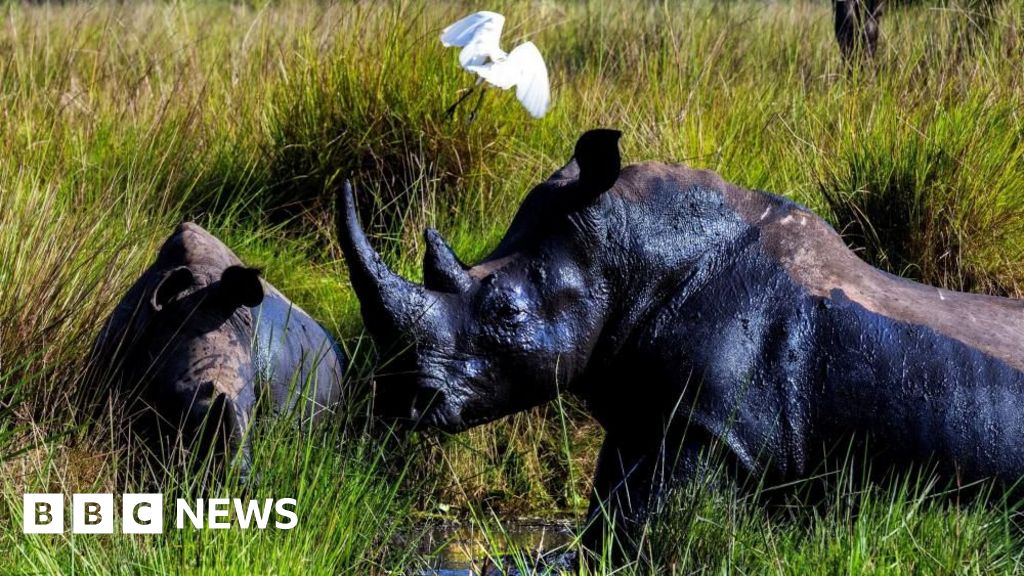
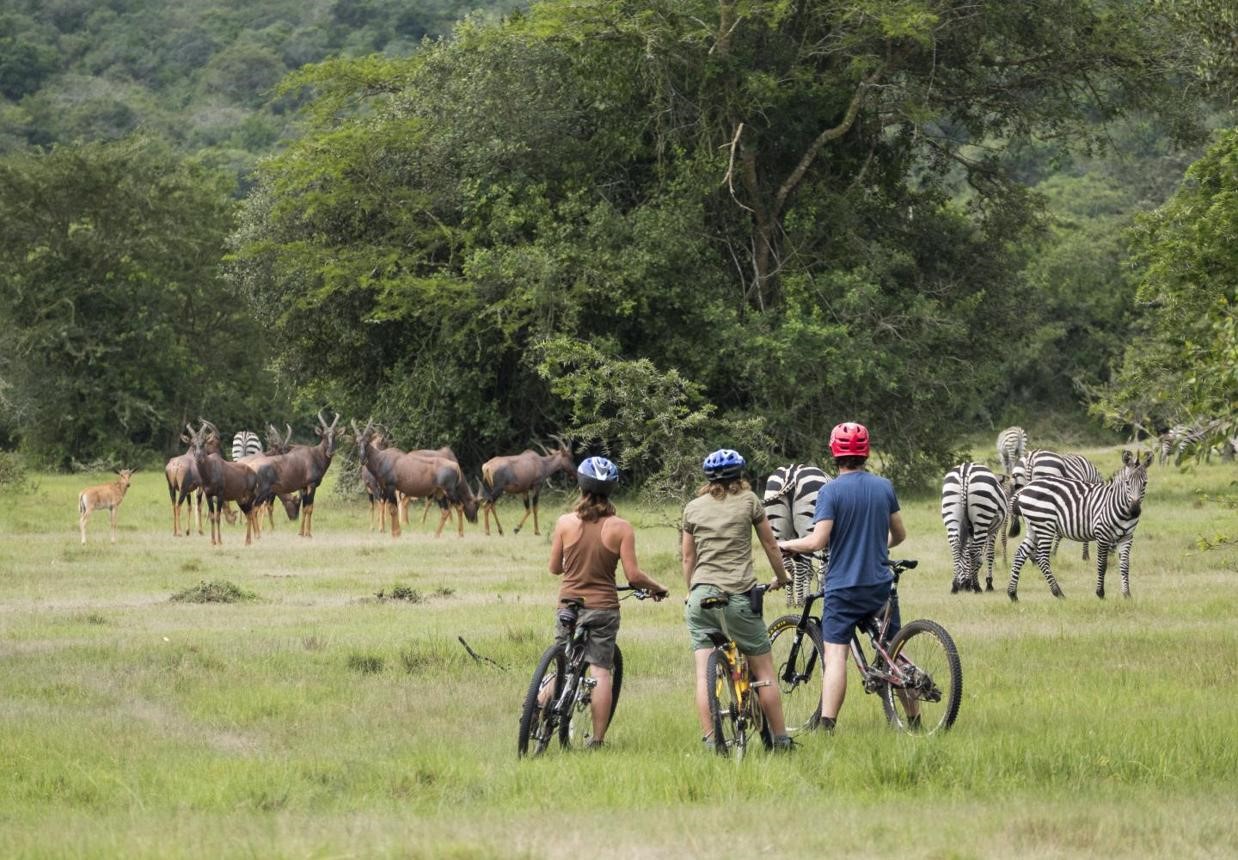
It also hosts large populations of buffalo, elephants, lions, and over 475 bird species.
The scenery is dramatic and different:
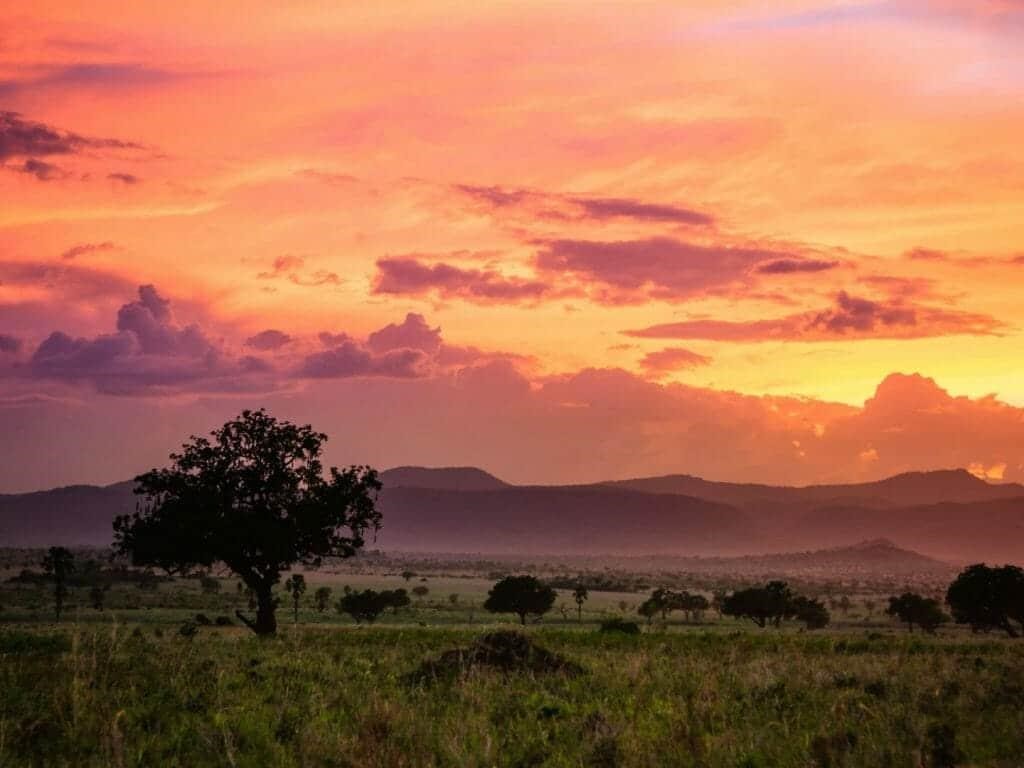
• Wide open golden plains
• Mountain backdrops
• A semi-arid feel similar to East Africa’s top safari destinations
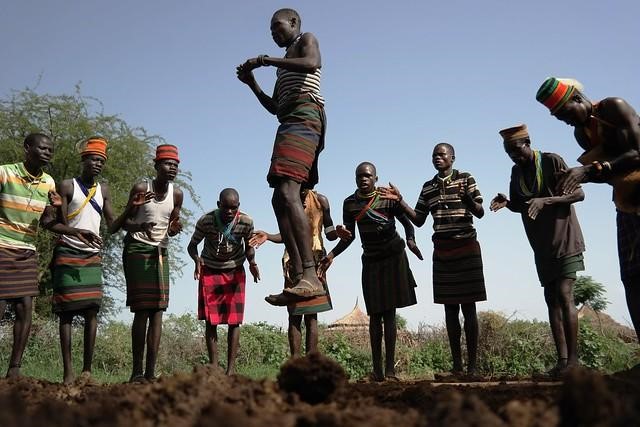
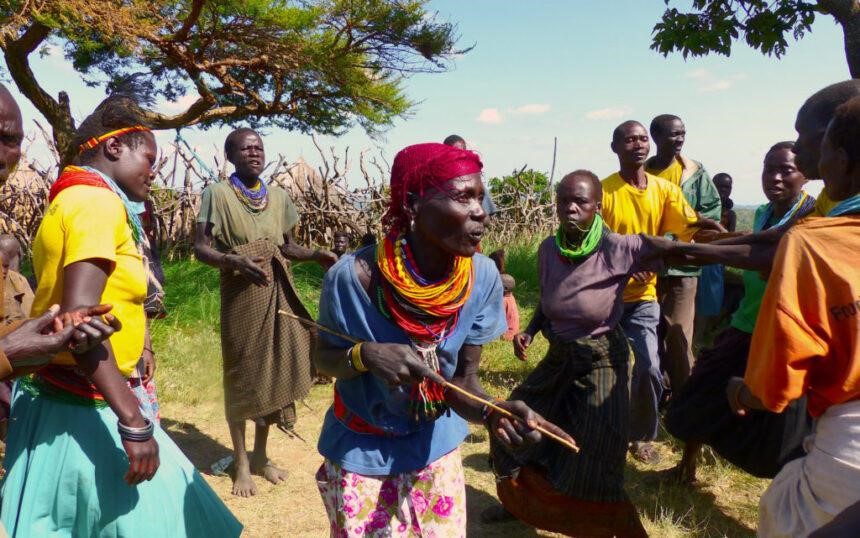
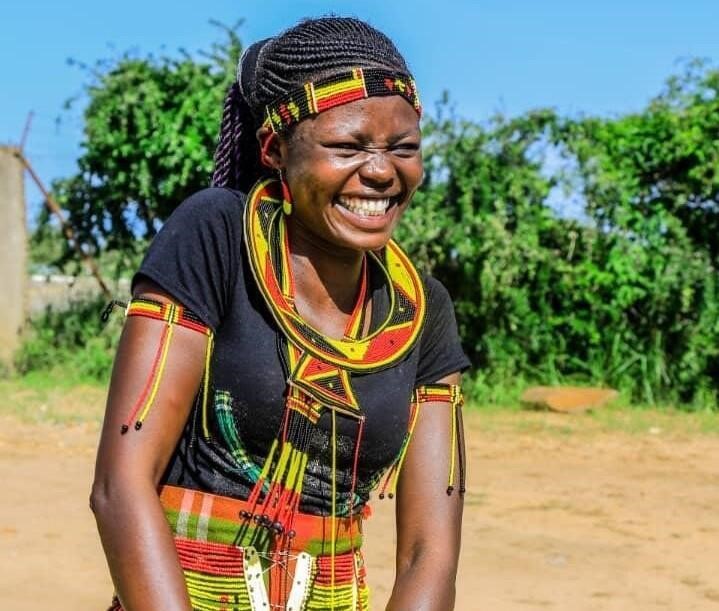
The Karamojong are the dominant community in the Karamoja region.
• Semi-nomadic pastoralists
• Deeply connected to cattle, which represent wealth and identity
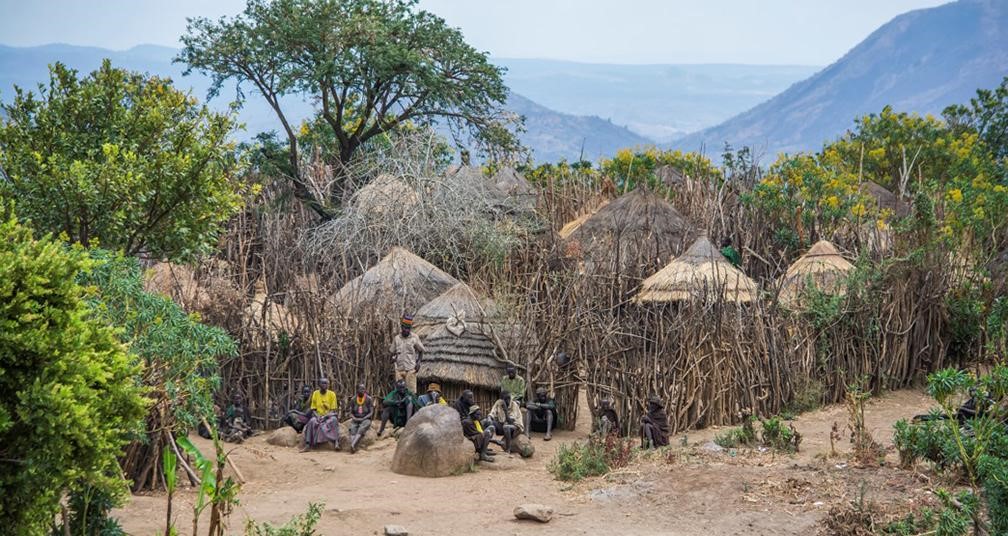
• Live in traditional settlements called manyattas
• Belong to the Nilotic groups
• Migrated centuries ago from areas around present-day South Sudan and Ethiopia
• Related to groups like the Maasai
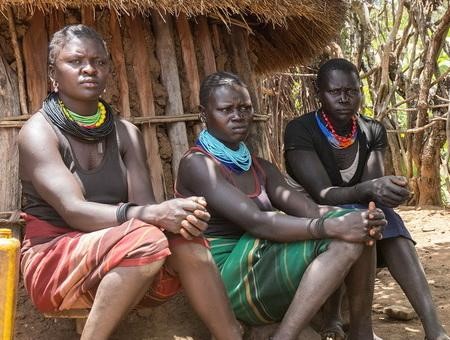
• Strong traditions, dress, and customs
• Visitors can experience authentic village life, dances, and storytelling
The Ik people are one of the smallest and most unique ethnic groups in Uganda, living on the slopes of Mount Morungole within Kidepo.
• They are few in number, making them one of Uganda’s rarest tribes
• Live in mountainous, hard-to-reach areas
• Traditionally relied on hunting and gathering, though now also practice small-scale farming
• Believed to have migrated from areas in present-day Ethiopia or Kenya
• They are culturally and linguistically distinct from the Karamojong
• Visiting the Ik involves a guided hike up Mount Morungole
• Offers a deep, authentic interaction with a community that has remained largely isolated
• Their lifestyle reflects resilience and adaptation to a harsh environment
Kidepo Valley National Park is not just about wildlife it’s a complete experience of nature, isolation, and culture.
What truly sets it apart:
• A less crowded, untouched safari destination
• Presence of rare wildlife species
• Interaction with both the Karamojong and the Ik, offering unmatched cultural depth
It’s the kind of destination that feels wild, real, and deeply connected to both nature and tradition—perfect for travelers looking for something beyond the ordinary safari.