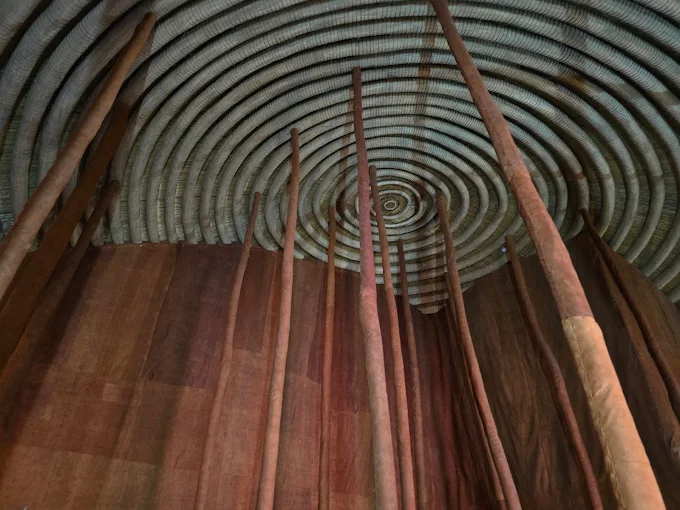
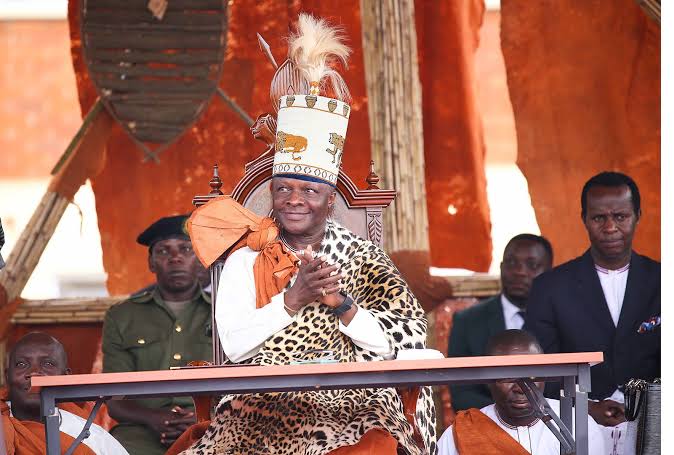
The Kasubi Tombs are one of Uganda's most treasured cultural and historical landmarks, offering visitors a fascinating insight into the rich heritage of the Kingdom of Buganda. Located on Kasubi Hill, just a few kilometres from Kampala's city centre, the site serves as the royal burial ground for four Kabakas (Kings) of Buganda and remains an active spiritual and cultural centre for the Baganda people.
Recognised as a UNESCO World Heritage Site, the Kasubi Tombs are celebrated for their remarkable traditional architecture, constructed almost entirely from natural materials such as reeds, grass, wood and bark cloth. Beyond their architectural beauty, the tombs represent centuries of Buganda traditions, royal customs and living cultural practices that continue to be observed today.
A visit to the Kasubi Tombs offers travellers an opportunity to experience Uganda's living history through captivating storytelling, royal traditions, sacred rituals and the enduring legacy of one of Africa's oldest kingdoms.
The Baganda are the largest ethnic group in Uganda and the indigenous people of the Buganda Kingdom, one of Africa's oldest and most influential traditional monarchies. Their culture has played a significant role in shaping Uganda's history, governance and traditions. The Kasubi Tombs stand at the heart of Buganda's identity, symbolising the kingdom's royal heritage and the deep respect the Baganda hold for their kings and ancestors.
Visitors to the Kasubi Tombs gain valuable insight into the customs, beliefs and traditions that continue to define Buganda culture today.