Rising gracefully along Uganda's eastern border with Kenya, Mount Elgon National Park protects one of Africa's oldest and most spectacular extinct volcanoes. Covering approximately 1,279 square kilometres on the Ugandan side, the park encompasses an extraordinary range of landscapes, from lush montane forests and bamboo woodlands to dramatic cliffs, waterfalls and the vast afro-alpine moorlands that surround the mountain's summit.
Unlike many of East Africa's volcanic peaks, Mount Elgon is not defined by towering height alone but by its immense size. Millions of years of erosion have shaped the mountain into a broad, gently sloping massif crowned by one of the largest volcanic calderas in the world. Its diverse ecosystems support an incredible variety of wildlife, rare plants and hundreds of bird species while providing vital water catchments for communities across eastern Uganda.
Mount Elgon National Park is one of Uganda's premier hiking destinations, offering scenic trails that lead through changing vegetation zones to panoramic viewpoints, waterfalls and eventually the spectacular summit caldera. Whether you're climbing to Wagagai Peak, exploring ancient caves, discovering hidden waterfalls or meeting the mountain communities that have called these slopes home for generations, Mount Elgon offers an unforgettable blend of adventure, nature and culture.
For travellers seeking fresh mountain air, fewer crowds and breathtaking scenery, Mount Elgon remains one of Uganda's best-kept secrets.
The ultimate adventure in Mount Elgon National Park is reaching Wagagai Peak, Uganda's fourth-highest mountain at 4,321 metres above sea level. Unlike the technical climbs required on the Rwenzori Mountains, Mount Elgon offers a non-technical trek that is accessible to reasonably fit hikers.
Several multi-day routes wind through dense rainforest, bamboo forests, giant heath and dramatic afro-alpine landscapes before reaching the vast summit caldera. Along the way, hikers encounter giant lobelias, everlasting flowers, crystal-clear streams and spectacular panoramic views stretching across Uganda and Kenya.
The journey is as rewarding as the destination, with every day's hike revealing a new and fascinating landscape.
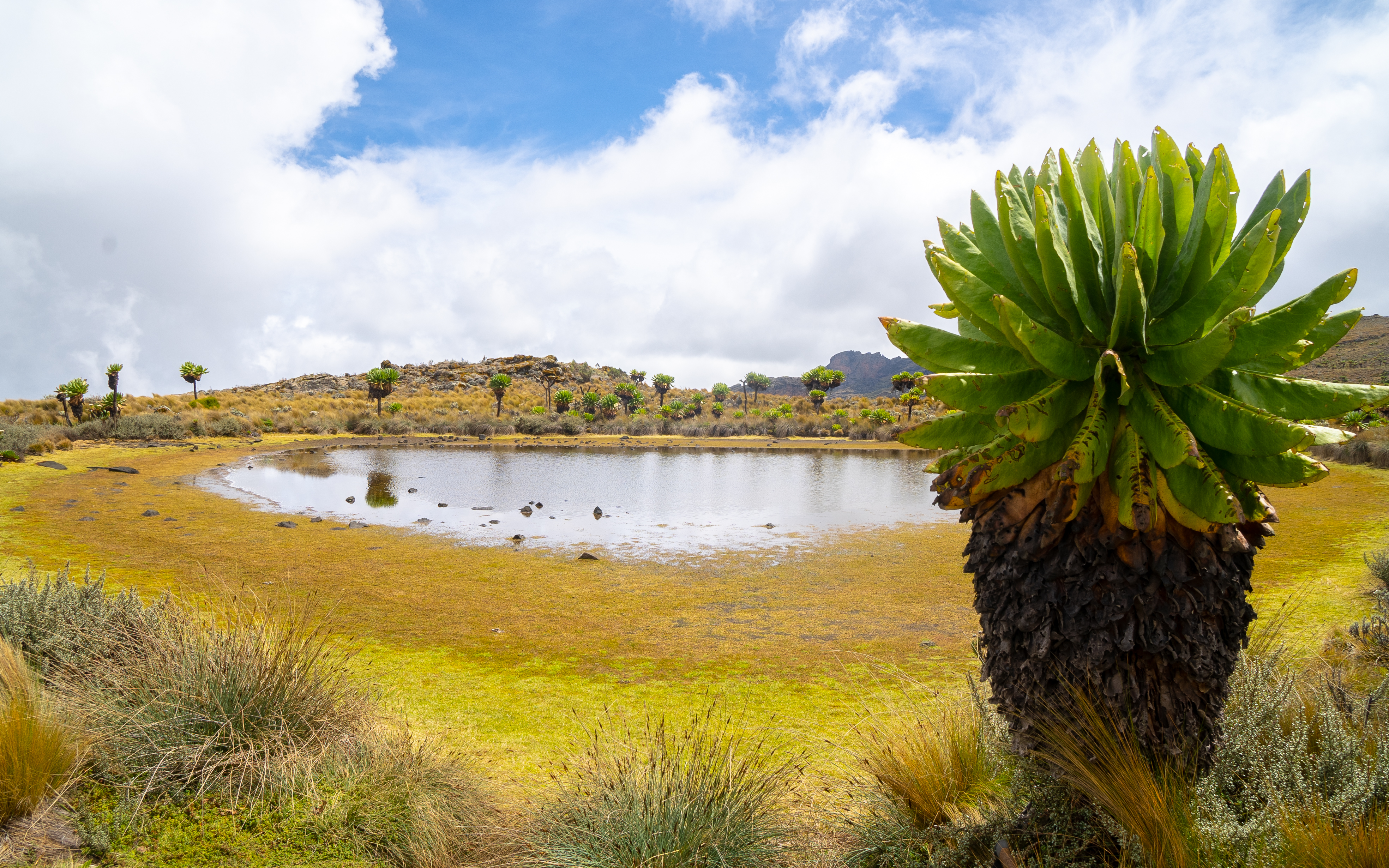
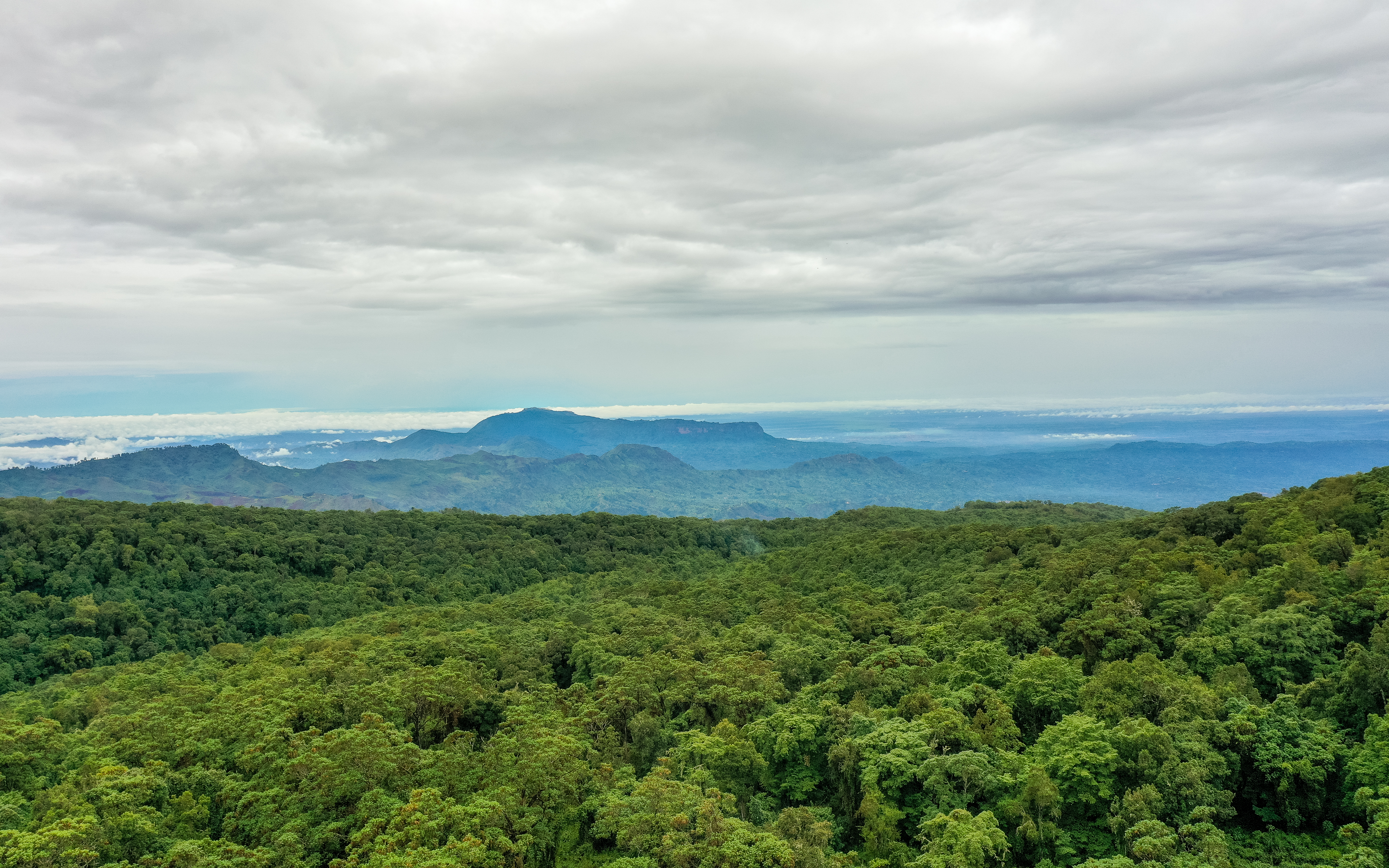
One of Mount Elgon's greatest natural treasures is the dramatic transformation of vegetation as visitors ascend the mountain. Dense tropical rainforest gradually gives way to bamboo forests, giant heath, open moorlands and surreal alpine landscapes dominated by towering giant lobelias and giant groundsels.
These extraordinary plants have adapted to survive freezing nights and intense daytime sunshine, creating one of Africa's most distinctive mountain ecosystems.
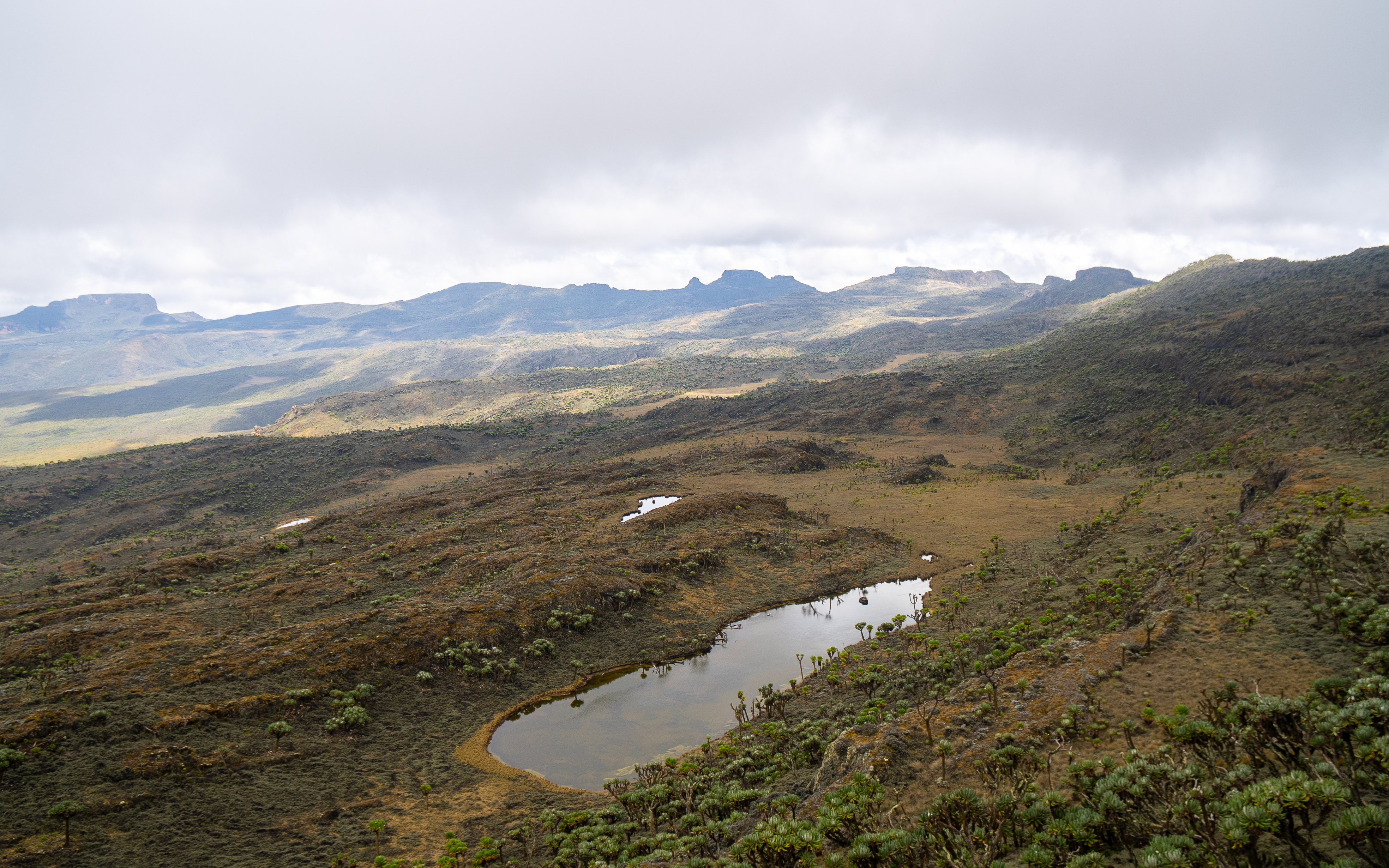
One of Mount Elgon's most remarkable features is its enormous summit caldera, believed to be the largest intact volcanic caldera on Earth. Measuring roughly 40 square kilometres, this ancient volcanic basin is surrounded by rolling alpine grasslands, rocky ridges and unique high-altitude vegetation.
Standing within the caldera offers an extraordinary sense of scale and tranquillity unlike anywhere else in East Africa.
Mount Elgon's volcanic origins have created a fascinating network of caves that have attracted wildlife for thousands of years. Among the best known is Kitum Cave, where elephants, buffalo and other animals have historically entered to scrape mineral-rich salt from the cave walls.
Although elephant visits are less frequent today than in the past, the caves remain fascinating geological formations and provide valuable insight into the mountain's volcanic history.
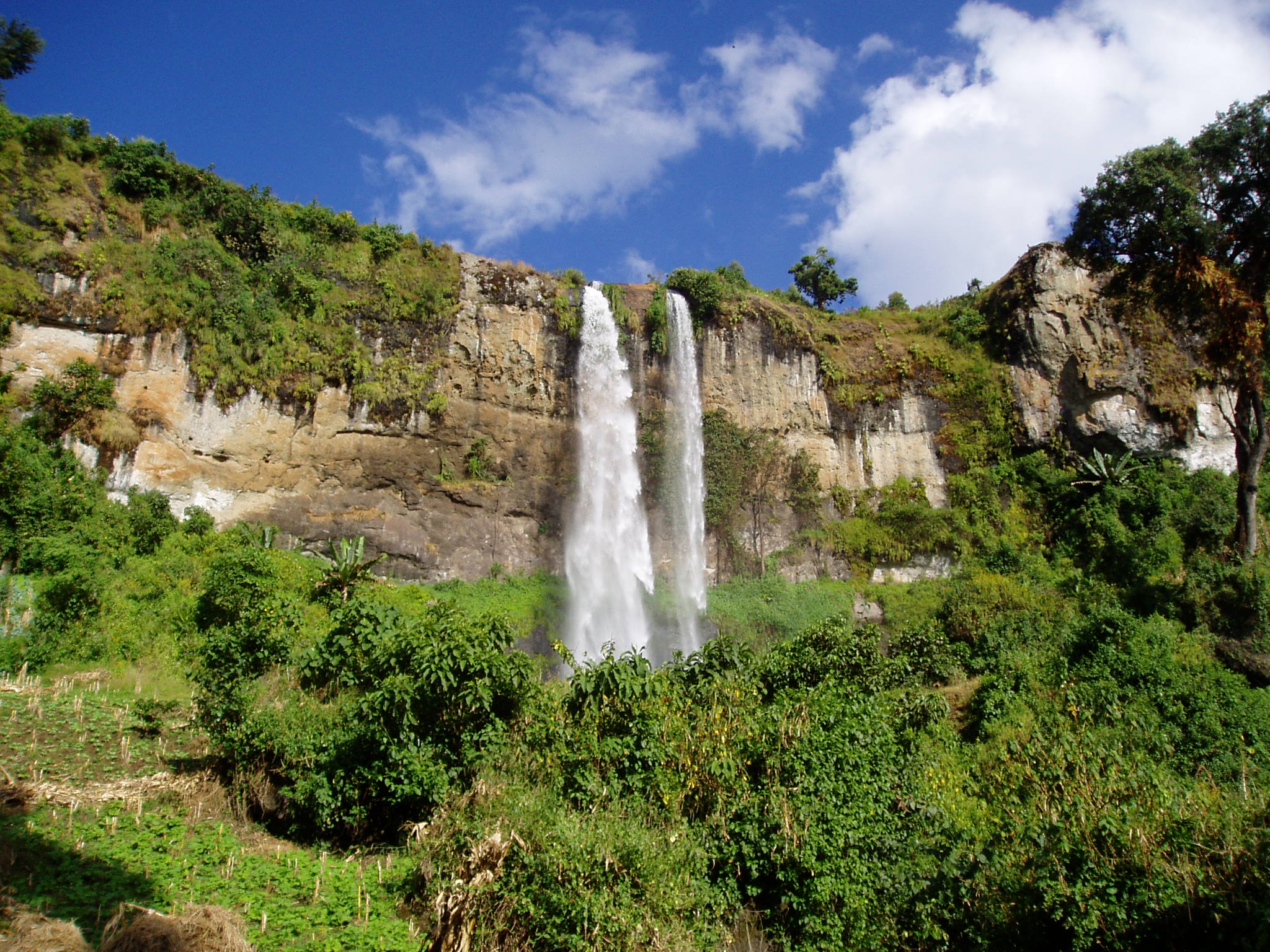
Although located just outside the national park boundary, Sipi Falls is one of the region's most famous attractions and is often combined with a visit to Mount Elgon. The three spectacular waterfalls cascade down steep cliffs overlooking the plains below, creating one of Uganda's most photographed landscapes.
Visitors can enjoy guided hikes between the falls, abseiling adventures, coffee tours and breathtaking viewpoints that showcase the beauty of eastern Uganda.
Mount Elgon offers numerous shorter hiking opportunities for visitors who do not wish to undertake the summit trek. Forest trails lead to beautiful waterfalls such as Sipi, Wanale and Sisiyi, while winding paths pass through bamboo forests, flowering plants and ancient trees alive with birdsong.
These walks provide excellent opportunities to experience the park's remarkable biodiversity without committing to a multi-day expedition.
With more than 300 recorded bird species, Mount Elgon is an outstanding destination for birdwatchers. Its wide range of habitats supports numerous forest birds, high-altitude specialists and several Albertine Rift and eastern montane species.
Bird enthusiasts may encounter Hartlaub's Turaco, Tacazze Sunbird, Jackson's Francolin, Black-collared Apalis and many colourful sunbirds, cuckoos and hornbills while exploring the park's forests and mountain slopes.
The southern and western slopes of Mount Elgon are home to the Bagisu, also known as the Bamasaba, one of eastern Uganda's largest ethnic groups. The mountain occupies a central place in their cultural identity, providing fertile land for farming and serving as the backdrop to generations of traditions and folklore.
The Bagisu are internationally known for Imbalu, their famous circumcision ceremony held every even-numbered year. During this colourful cultural event, young men publicly undergo traditional initiation into adulthood, accompanied by days of music, dancing and celebrations that attract visitors from across Uganda and beyond.
The rich volcanic soils of Mount Elgon also make the region one of Uganda's finest coffee-growing areas. Visitors can take part in community coffee tours, learning how Arabica coffee is cultivated, harvested, roasted and prepared using traditional methods.
The northern slopes of Mount Elgon are inhabited primarily by the Sabiny, whose communities extend across eastern Uganda and neighbouring Kenya. Traditionally pastoralists and farmers, the Sabiny have long adapted to the mountain's changing climates and rugged terrain.
Visitors may experience Sabiny hospitality through guided village walks, traditional music and opportunities to learn about local farming practices, medicinal plants and the customs that continue to shape everyday life.