Stretching across the rolling hills of western Uganda, Kibale Forest National Park protects one of Africa's finest remaining tropical rainforests and is widely regarded as the primate capital of East Africa. Covering approximately 795 square kilometres, the park is a remarkable mosaic of lush rainforest, wetlands, grasslands and regenerating woodland, creating one of the continent's richest ecosystems.
Situated between the foothills of the Rwenzori Mountains and the floor of the Albertine Rift Valley, Kibale enjoys a mild climate and fertile soils that support an extraordinary diversity of life. Towering mahogany and fig trees form a dense forest canopy beneath which countless birds, butterflies, mammals and primates flourish.
Kibale is best known for its thriving population of wild chimpanzees, offering visitors one of the best opportunities anywhere in Africa to observe our closest living relatives in their natural habitat. Yet the park's appeal extends far beyond chimpanzees alone. Home to thirteen species of primates, hundreds of bird species and an abundance of forest wildlife, Kibale offers unforgettable experiences for wildlife enthusiasts, photographers and nature lovers alike.
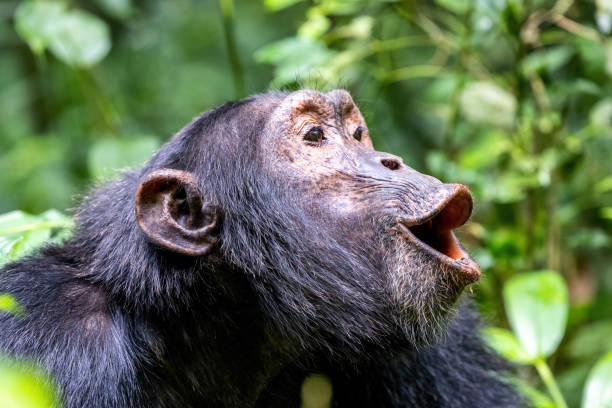
Whether you're listening to the haunting calls of chimpanzees echoing through the forest at dawn, discovering colourful birds hidden among ancient trees or exploring nearby crater lakes and traditional villages, Kibale Forest National Park provides an authentic encounter with one of Uganda's most beautiful natural landscapes.
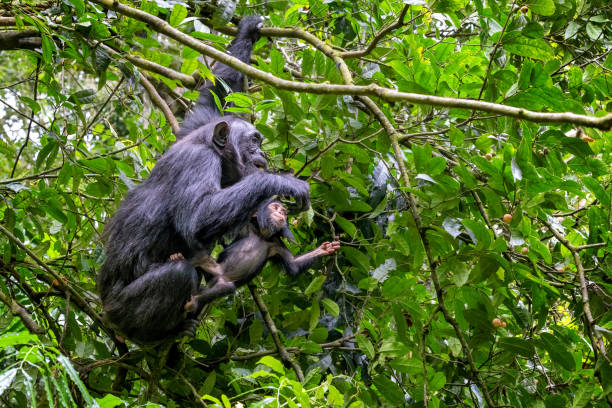
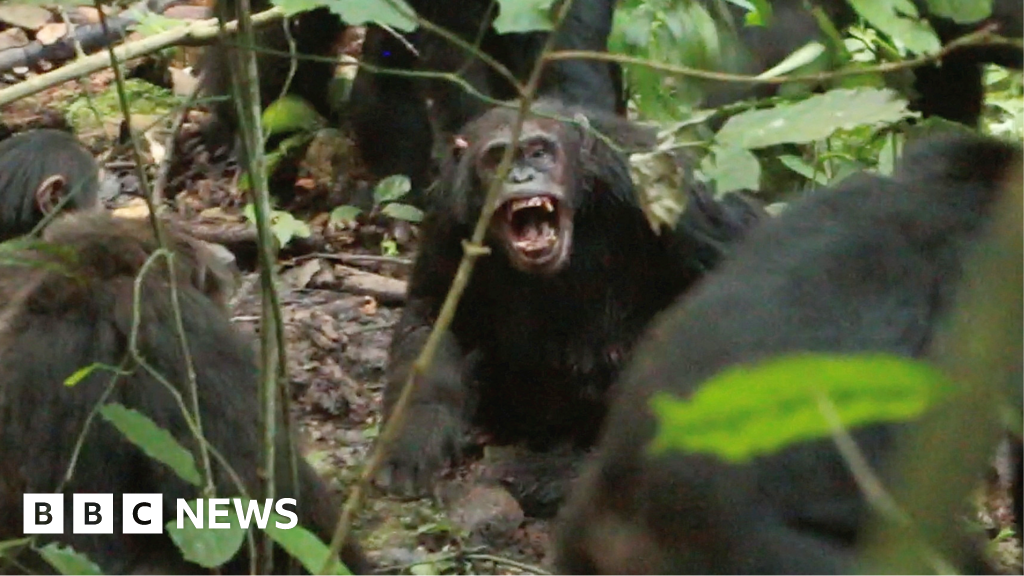
Chimpanzee tracking is undoubtedly Kibale's signature experience and one of Uganda's most sought-after wildlife adventures. The park is home to more than 1,500 chimpanzees, with several habituated communities available for guided tracking.
Led by experienced Uganda Wildlife Authority rangers, visitors venture deep into the rainforest in search of these intelligent and highly social primates. Once located, guests spend an unforgettable hour observing the chimpanzees as they forage, groom one another, care for their young and communicate through an astonishing range of vocalisations and gestures.
Unlike gorillas, chimpanzees are constantly on the move, making every trek dynamic and exciting. Their energetic behaviour, remarkable intelligence and striking human-like expressions create an experience that leaves a lasting impression.
For travellers seeking a more immersive encounter, Kibale offers the unique Chimpanzee Habituation Experience. Rather than spending a single hour with the chimpanzees, visitors accompany researchers and rangers for much of the day as they follow a semi-habituated community.
This extended experience provides fascinating insight into chimpanzee behaviour, communication, feeding habits and social interactions. Guests witness the daily work involved in habituating wild chimpanzees to the presence of humans while contributing to ongoing conservation efforts.
For wildlife enthusiasts and photographers, this is often considered one of Uganda's most rewarding wildlife experiences.
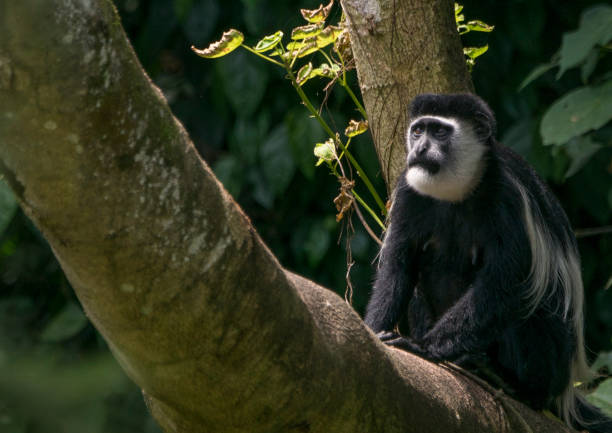
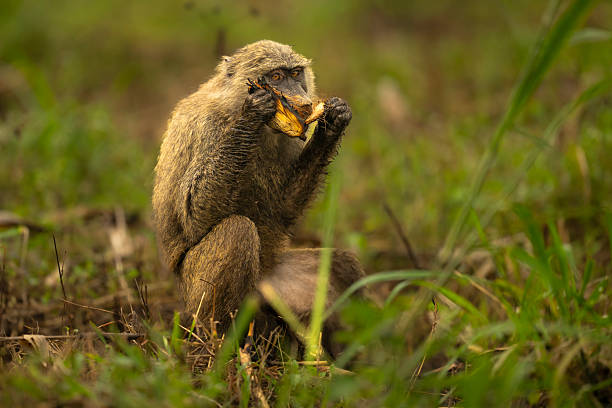
Kibale is often called the "Primate Capital of the World" thanks to its exceptional diversity of primates. Alongside chimpanzees, visitors may encounter black-and-white colobus monkeys, red colobus monkeys, L'Hoest's monkeys, blue monkeys, grey-cheeked mangabeys, red-tailed monkeys, olive baboons and vervet monkeys, among others.
Few places in Africa offer such remarkable opportunities to observe multiple primate species within a single day, making Kibale an absolute paradise for wildlife lovers.
Located just outside the park, the Bigodi Wetland Sanctuary is one of Uganda's finest community tourism initiatives. This rich wetland ecosystem is famous for its outstanding birdlife, abundant monkeys and remarkable biodiversity.
Guided walks through the swamp reveal colourful turacos, hornbills, kingfishers, butterflies and numerous primate species, while knowledgeable local guides share insights into the area's ecology and traditional uses of medicinal plants.
A visit to Bigodi not only enhances the Kibale experience but also directly supports local conservation and community development projects.
With more than 375 recorded bird species, Kibale Forest National Park is one of Uganda's premier birdwatching destinations. The park's diverse habitats attract an impressive variety of forest specialists, Albertine Rift endemics and migratory species.
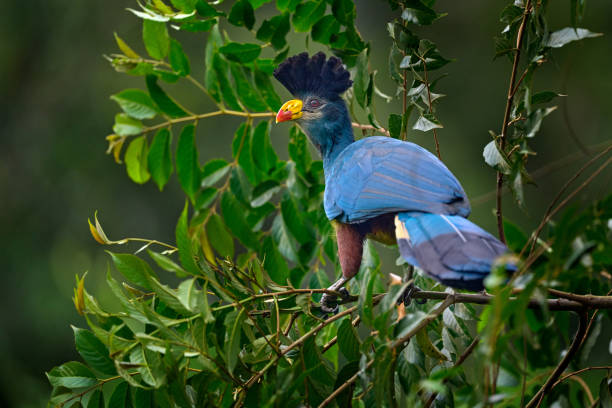
Birdwatchers may be rewarded with sightings of the spectacular Great Blue Turaco, African Pitta, Green-breasted Pitta, Black Bee-eater, Yellow-spotted Barbet and numerous colourful sunbirds, hornbills and flycatchers.
Whether you're an experienced birder or simply enjoy spotting wildlife along the trails, Kibale offers excellent birding opportunities throughout the year.
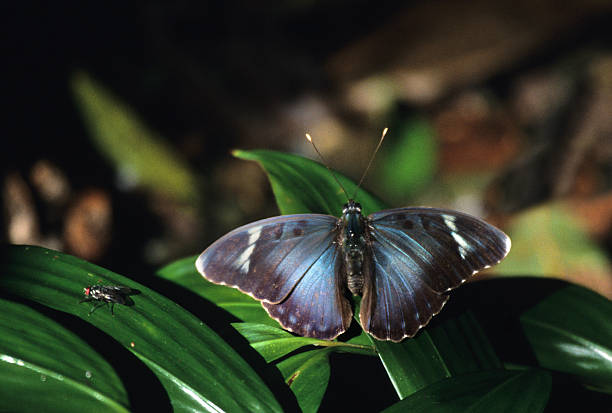
Beyond chimpanzee tracking, Kibale offers an extensive network of forest trails that allow visitors to experience the rainforest at a slower pace. Guided walks reveal towering tropical trees, colourful butterflies, forest elephants' footprints, medicinal plants and the remarkable complexity of one of Africa's oldest ecosystems.
The peaceful atmosphere of the rainforest, interrupted only by birdsong and the distant calls of monkeys, creates an unforgettable experience for anyone seeking a deeper connection with nature.
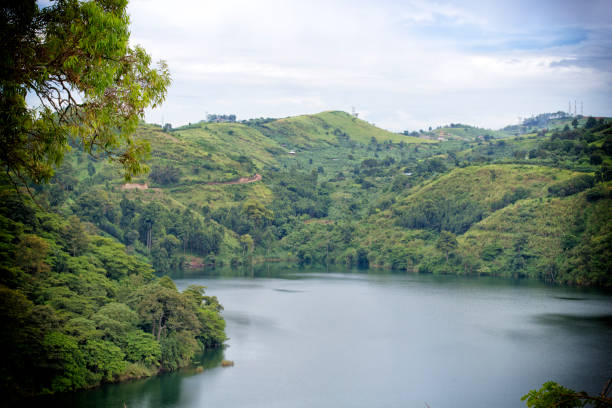
The region surrounding Kibale is dotted with beautiful crater lakes formed by ancient volcanic activity. These sparkling lakes, nestled among rolling hills and lush farmland, provide breathtaking viewpoints and excellent opportunities for photography, hiking and cultural excursions.
Combined with panoramic views towards the Rwenzori Mountains, the crater lake region offers visitors a wonderful contrast to the dense rainforest and is an ideal addition to any stay in Kibale.
Kibale has become one of Uganda's leading examples of successful community-based tourism. Local organisations offer guided village walks, coffee experiences, traditional cooking demonstrations and cultural performances that allow visitors to engage directly with local communities.
The nearby Bigodi Wetland Sanctuary is a particularly inspiring example of conservation benefiting both wildlife and people. Revenue generated from tourism supports local schools, healthcare, conservation initiatives and community development projects, ensuring that protecting Kibale's extraordinary biodiversity also creates lasting opportunities for those who call the region home.
Together, the forests, wildlife and welcoming communities surrounding Kibale create a destination where nature and culture exist side by side, offering visitors one of the richest and most rewarding travel experiences in Uganda.
The majority of communities surrounding Kibale belong to the Batooro, whose historic Kingdom of Tooro remains one of Uganda's recognised traditional kingdoms. The Batooro are renowned for their warm hospitality, rich oral traditions and vibrant cultural ceremonies.
Visitors exploring villages around the park may encounter traditional music, energetic dances, beautifully woven baskets and local cuisine prepared using ingredients grown in the fertile volcanic soils. Farming remains central to daily life, with tea plantations, bananas, coffee and maize dominating the landscape.
Many Bakiga families have also settled around Kibale, particularly in the southern areas surrounding the park. Originally from the highlands of southwestern Uganda, they are well known for their hardworking agricultural traditions and carefully cultivated hillside farms.
Their colourful dances, storytelling and communal celebrations offer visitors an authentic glimpse into rural Ugandan life and complement the wildlife experiences found within the national park.