Nestled in the far southwestern corner of Uganda, where the borders of Uganda, Rwanda and the Democratic Republic of Congo converge, Mgahinga Gorilla National Park is one of Africa's most remarkable mountain wildernesses. Covering just 33.7 square kilometres, it is Uganda's smallest national park, yet it offers an astonishing concentration of natural beauty, rare wildlife and cultural heritage.
The park forms part of the much larger Virunga Conservation Area, a protected ecosystem that stretches across three countries and safeguards one of the last remaining habitats of the endangered mountain gorilla. Towering volcanic peaks dominate the landscape, their forested slopes cloaked in bamboo, montane woodland and afro-alpine vegetation. Mist drifts through the valleys while colourful birds, playful monkeys and elusive forest mammals thrive in this ancient volcanic landscape.
Mgahinga is often described as the quieter alternative to Bwindi Impenetrable National Park. Visitor numbers are lower, allowing for a more intimate experience with nature while still offering world-class wildlife encounters. Whether you're searching for endangered mountain gorillas, tracking lively golden monkeys through bamboo forests, climbing extinct volcanoes or immersing yourself in the traditions of the indigenous Batwa people, Mgahinga promises an unforgettable adventure.
The park's guiding philosophy is beautifully captured in its famous slogan:
"Where Gold Meets Silver."
The "gold" represents the endangered golden monkeys that leap through the bamboo forests, while the "silver" honours the majestic silverback gorillas that reign over the mountain slopes.
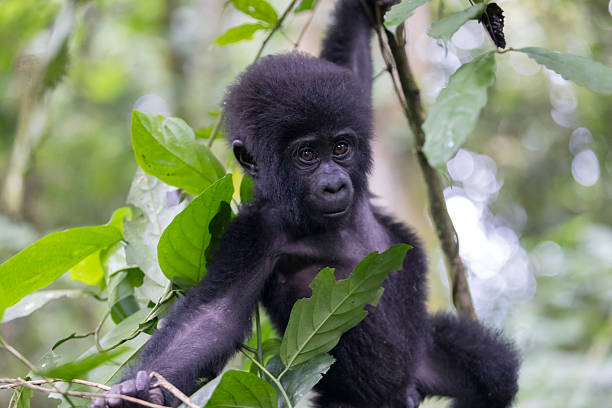
For many visitors, trekking to see the endangered mountain gorillas is the experience of a lifetime. Mgahinga is home to the Nyakagezi Gorilla Family, a well-habituated group renowned for its stability and fascinating social dynamics. Unlike many gorilla families whose home ranges frequently cross international borders, the Nyakagezi group has remained largely within Uganda in recent years, making sightings highly reliable.
The trek itself is an adventure through dense rainforest, bamboo thickets and volcanic foothills. Guided by experienced Uganda Wildlife Authority rangers, visitors follow fresh signs left by the gorillas before finally spending one unforgettable hour observing these gentle giants in their natural habitat. Watching a silverback protect his family, juveniles tumbling through the vegetation and mothers caring for their infants creates memories that remain long after the trek has ended.
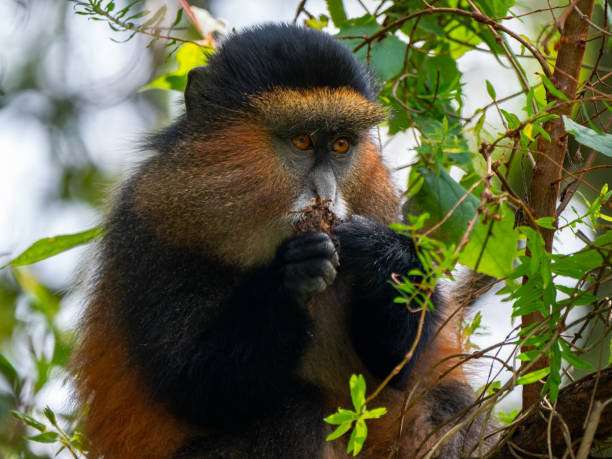
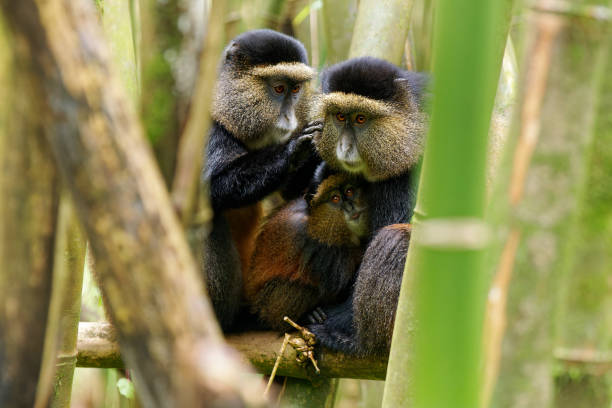
Mgahinga is the only national park in Uganda where visitors can track the endangered golden monkey. These striking primates are found only within the Virunga Mountains and are instantly recognisable by their brilliant golden-orange fur, expressive faces and energetic behaviour.
Golden monkey tracking is generally less physically demanding than gorilla trekking, making it an excellent addition to your itinerary. Watching entire troops race through the bamboo canopy, feeding, playing and communicating with one another offers a completely different primate experience from the calm, contemplative encounter with gorillas.
For wildlife enthusiasts and photographers alike, few experiences are as colourful or entertaining.
Three extinct volcanoes rise dramatically above Mgahinga's forests, offering some of Uganda's most rewarding mountain hikes.
Mount Sabinyo is famous for its rugged ridges and the unique opportunity to stand in three countries at once—Uganda, Rwanda and the Democratic Republic of Congo.
Mount Gahinga, from which the park takes its name, features beautiful bamboo forests and a tranquil crater swamp near its summit.
Mount Muhabura, the highest of the three, rewards determined hikers with spectacular panoramic views across the Virunga Mountains and neighbouring countries.
Each mountain presents its own challenge and showcases the incredible diversity of vegetation as the landscape changes with altitude.
Mgahinga is a hidden gem for bird enthusiasts. Over 180 bird species have been recorded within the park, including many Albertine Rift endemics that are highly sought after by experienced birdwatchers.
Species such as the Rwenzori Turaco, Dusky Crimsonwing, Regal Sunbird and handsome francolins thrive within the park's montane forests and bamboo zones. Whether you're an experienced birder or simply enjoy spotting colourful wildlife during your walks, Mgahinga offers exceptional opportunities throughout the year.
Long before Mgahinga Gorilla National Park was established, the forests were home to the Batwa, one of Africa's oldest indigenous hunter-gatherer communities. Often referred to as the "Keepers of the Forest," the Batwa lived in harmony with the mountain ecosystem for centuries, relying on hunting, gathering wild fruits, medicinal plants and deep traditional knowledge of the forest.
When the park was created in 1991 to protect the endangered mountain gorillas and other wildlife, the Batwa were relocated from their ancestral homeland. While conservation has helped preserve one of the world's most important mountain ecosystems, it also brought profound changes to Batwa life and culture.
Today, visitors can take part in the Batwa Cultural Experience, an inspiring community-led activity that offers insight into their traditional way of life. Guided by Batwa elders, guests walk ancient forest trails, learn about medicinal plants, watch demonstrations of traditional hunting techniques, visit sacred caves and enjoy storytelling, music and dance that have been passed down through generations.
These experiences not only preserve a unique cultural heritage but also provide valuable income for Batwa communities while helping visitors gain a deeper understanding of the human history intertwined with the forests of Mgahinga.
The fertile highlands surrounding Mgahinga are predominantly inhabited by the Bakiga, one of southwestern Uganda's largest ethnic groups. Known for their resilience and strong agricultural traditions, the Bakiga cultivate the steep mountain slopes using carefully terraced farms that produce potatoes, beans, sorghum and other crops well suited to the cool highland climate.
Visitors staying in nearby communities often have the opportunity to experience Bakiga hospitality through village walks, local markets and cultural performances featuring energetic dances, drumming and storytelling. These encounters provide an authentic glimpse into everyday life in Uganda's scenic highlands.
Also living around Mgahinga are the Bafumbira, whose culture reflects centuries of interaction with neighbouring communities across the Virunga region. Closely connected to the volcanic landscape, they maintain traditions rooted in farming, craftsmanship and communal celebrations.
The Bafumbira are renowned for their warm hospitality and vibrant cultural ceremonies. Visitors may encounter traditional music, dance performances and local cuisine that highlight the rich cultural diversity of Uganda's southwestern borderlands.
Together, the Batwa, Bakiga and Bafumbira illustrate that Mgahinga is far more than a wildlife destination. It is a place where spectacular landscapes, endangered wildlife and living cultural traditions come together to create one of Uganda's most rewarding travel experiences.