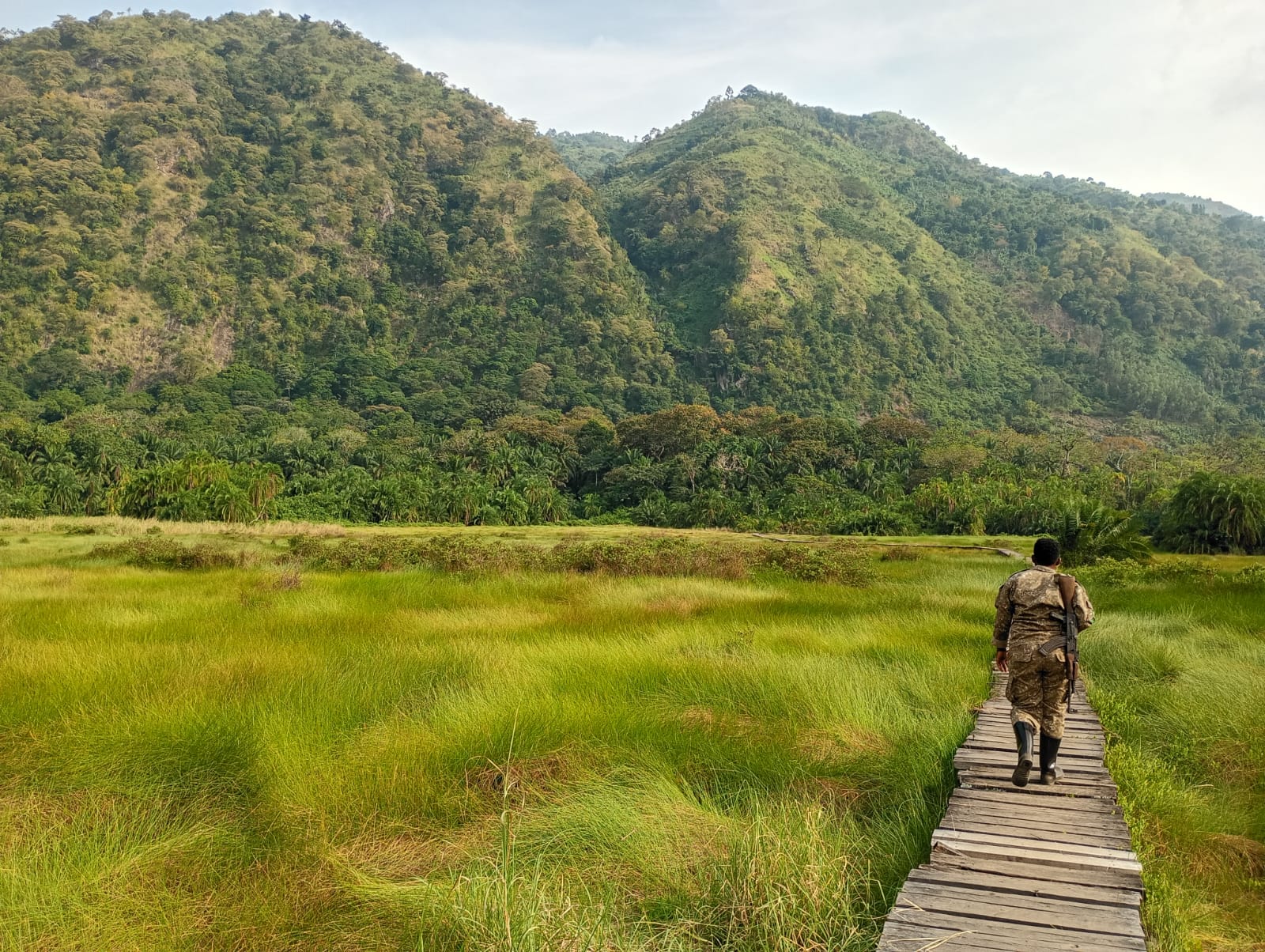
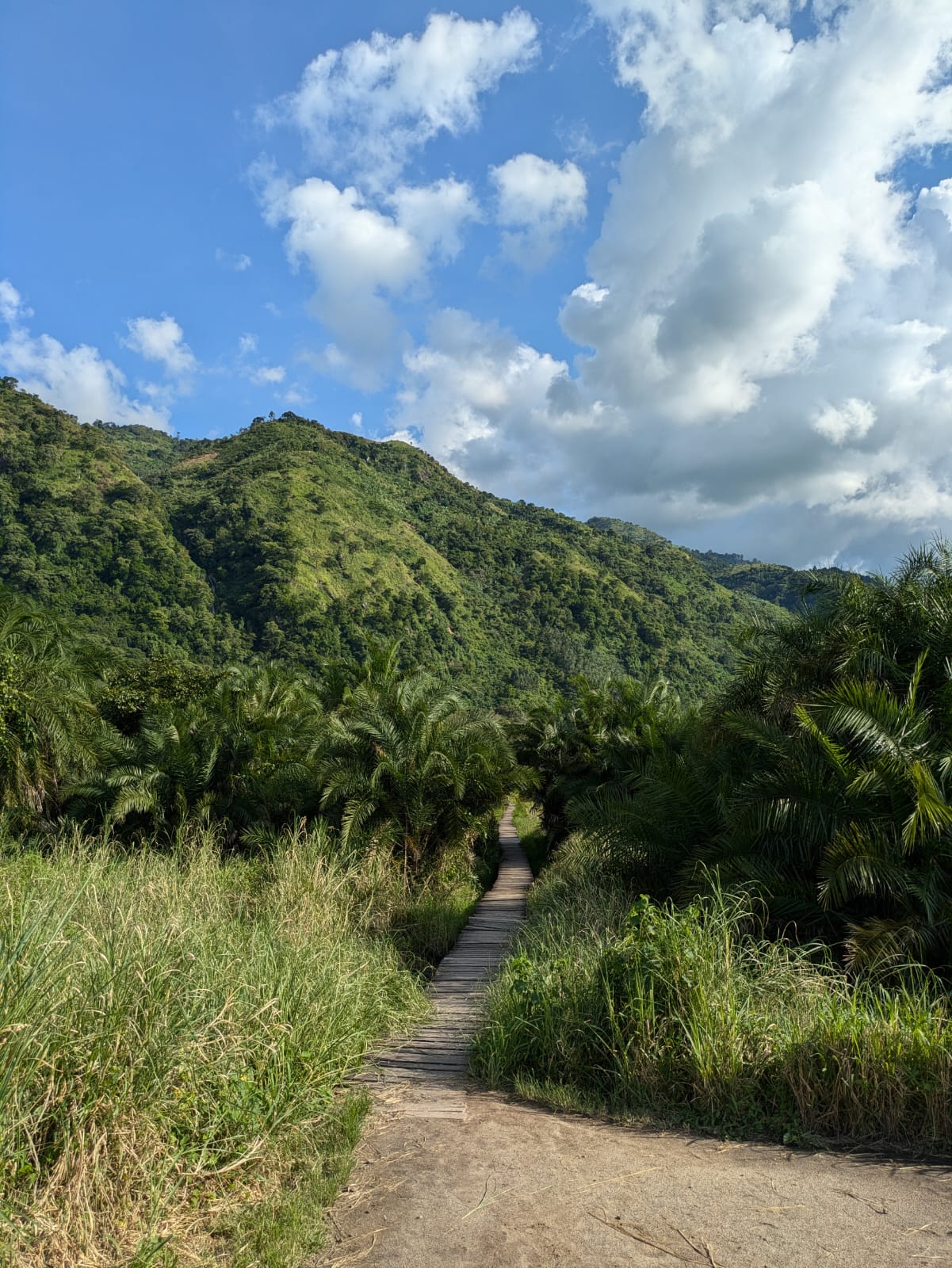
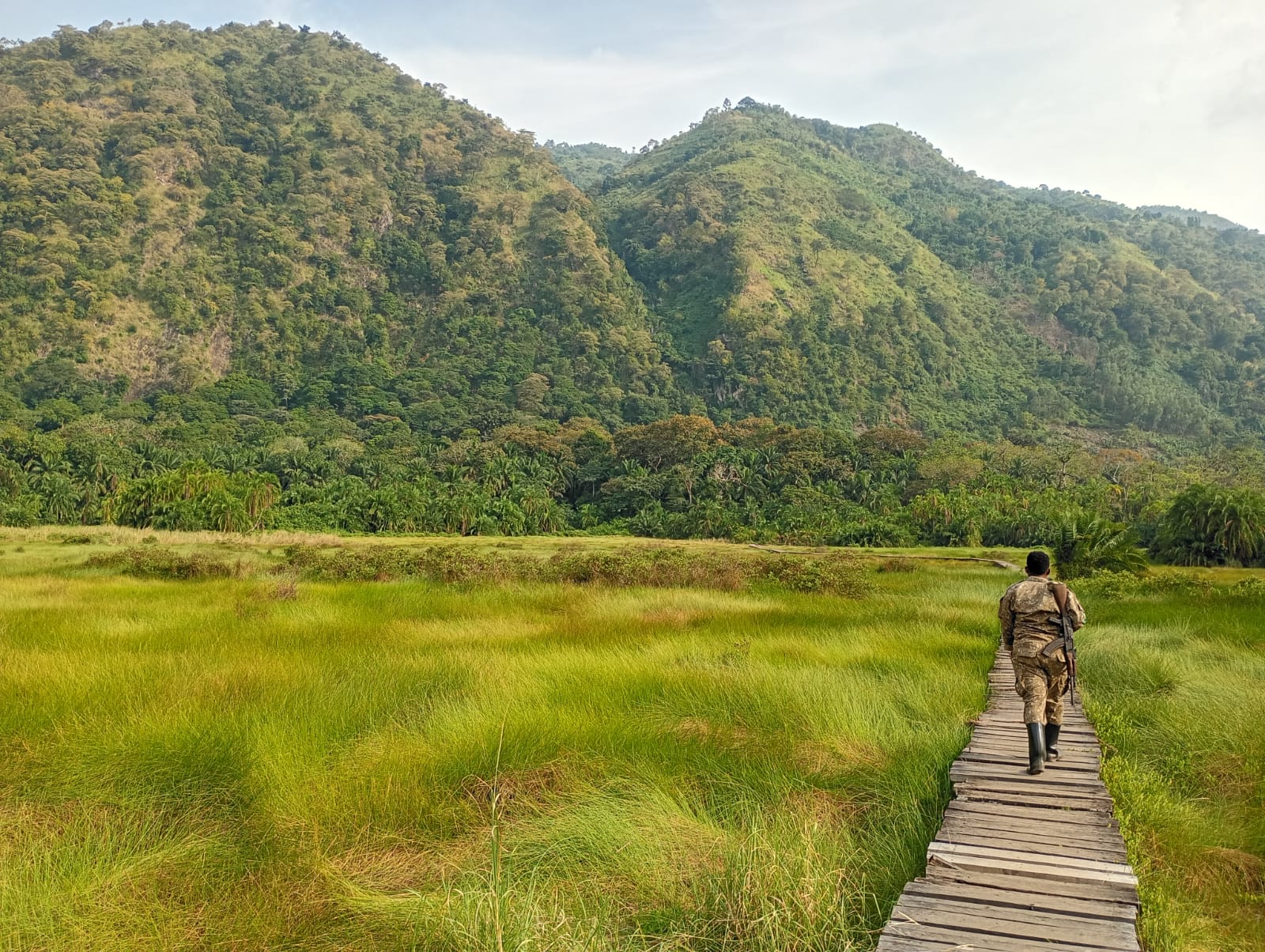
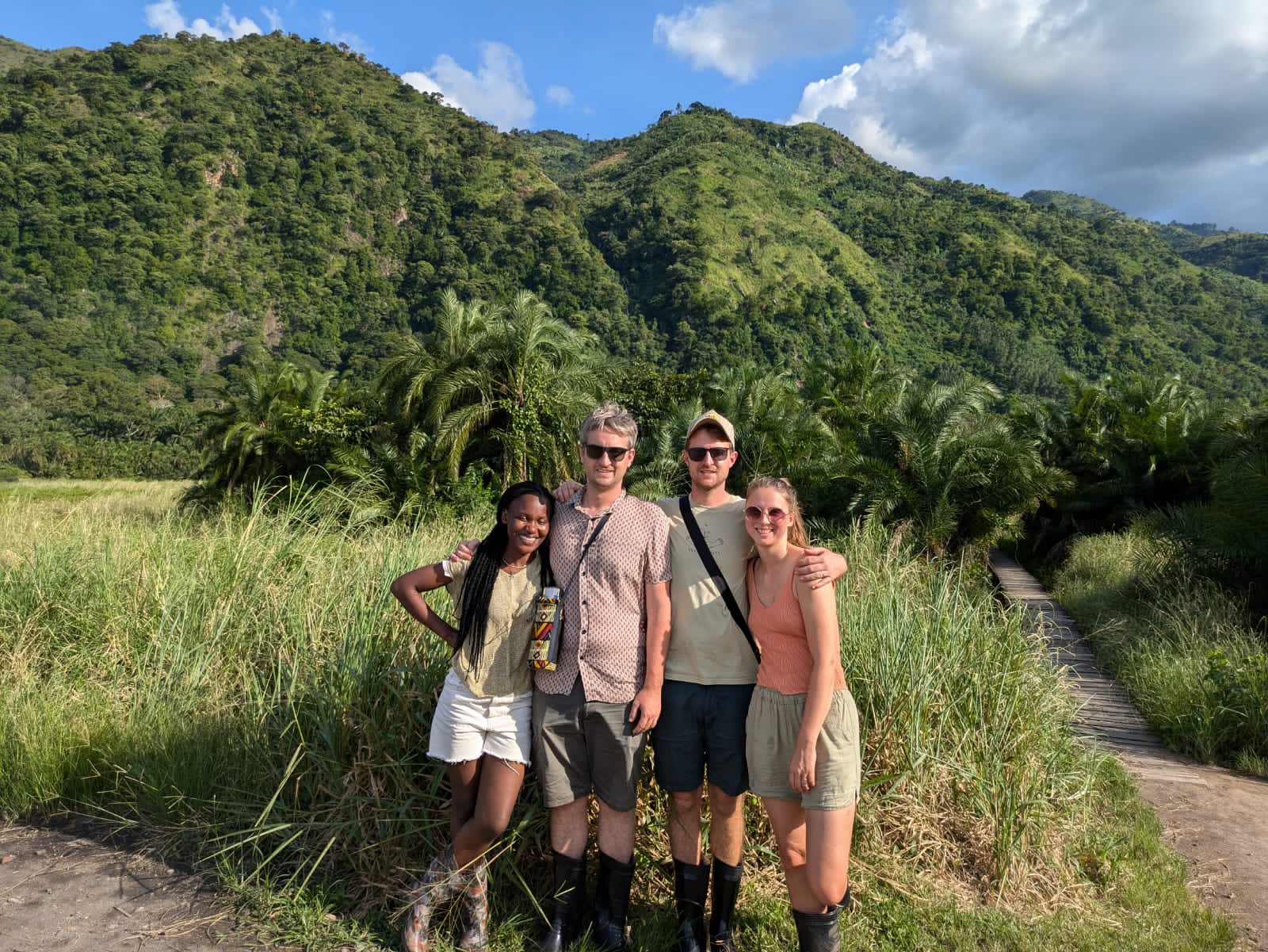
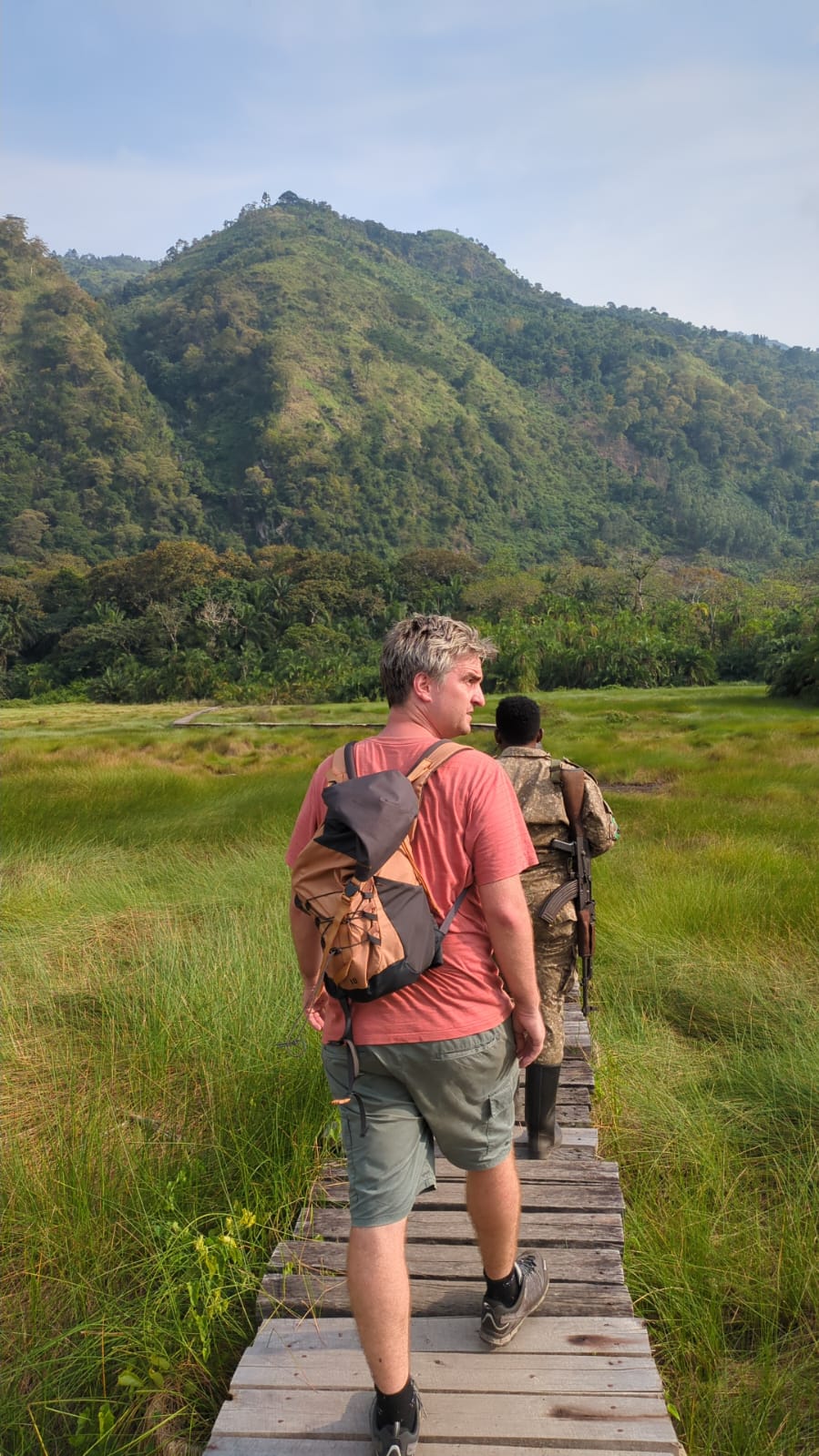
Nestled in the remote western corner of Uganda, on the floor of the Albertine Rift Valley, Semuliki National Park is one of the country's most unique and biologically diverse protected areas. Covering approximately 220 square kilometres, the park forms part of the vast Congo Basin ecosystem, making it the only true lowland tropical rainforest in East Africa.
Established as a national park in 1993, Semuliki protects an ancient forest that has remained largely unchanged for thousands of years. Unlike Uganda's mountain forests, Semuliki offers visitors the rare opportunity to explore a lush equatorial rainforest filled with towering mahogany trees, dense vegetation, winding rivers, and extraordinary wildlife. The park serves as a natural bridge between the forests of Central Africa and East Africa, resulting in an exceptional mix of plant and animal species found nowhere else in Uganda.
The park lies at the foot of the magnificent Rwenzori Mountains, with the Semuliki River marking part of Uganda's border with the Democratic Republic of Congo. This remarkable landscape, where tropical rainforest meets mountains and wetlands, creates one of Africa's richest ecosystems.
Whether you're searching for rare birds, tracking elusive forest mammals, exploring ancient rainforest trails, or witnessing the spectacular hot springs that have fascinated visitors for centuries, Semuliki National Park offers an unforgettable journey into one of Africa's last great wildernesses.
Semuliki is the only national park in East Africa that protects a true lowland tropical rainforest similar to those found deep within the Congo Basin. Walking beneath its towering trees feels like stepping into one of Africa's oldest surviving forests, where dense vegetation, giant vines, and towering hardwoods create an atmosphere of untouched wilderness.
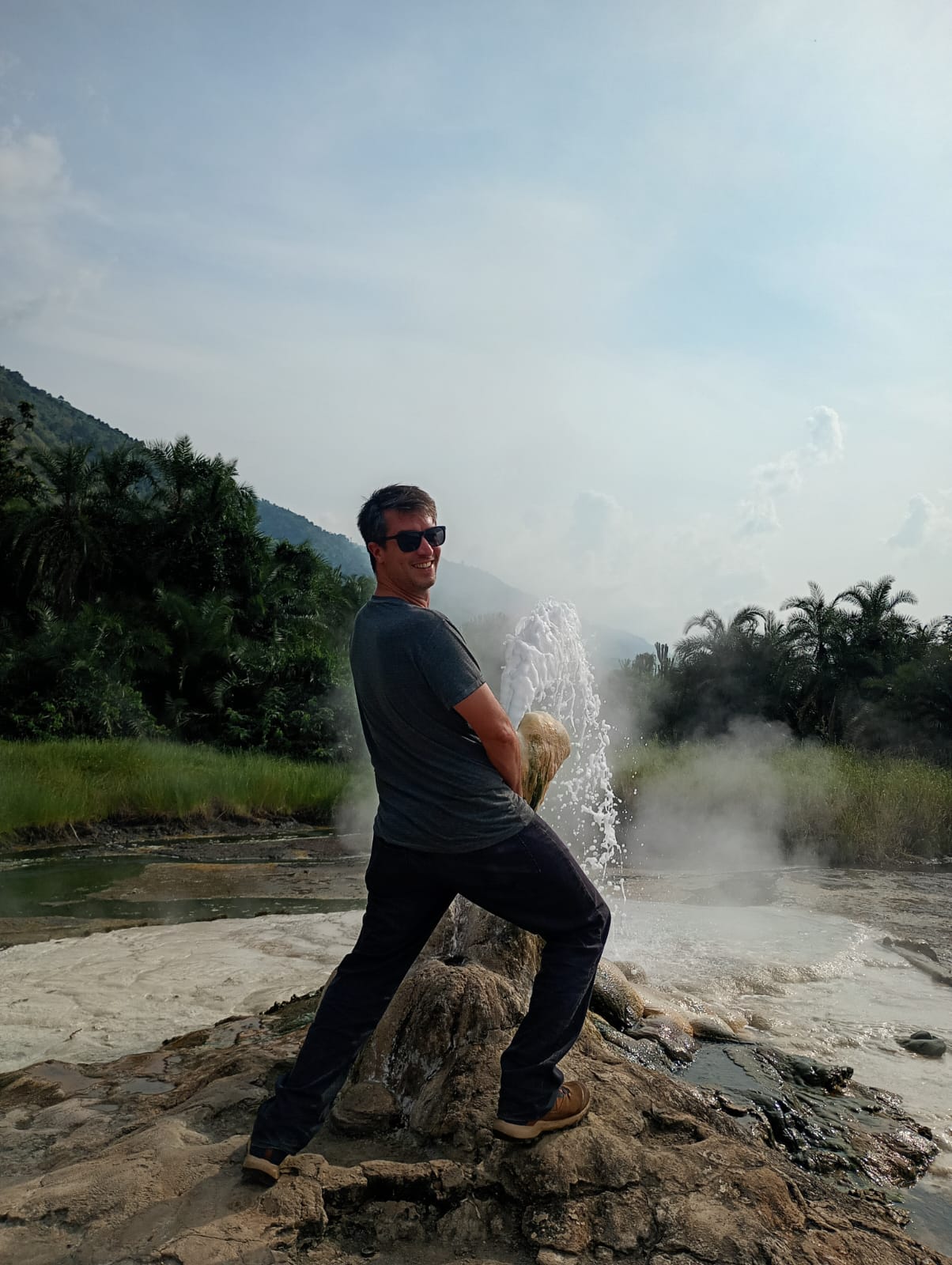
The park's most iconic attraction is the Sempaya Hot Springs, where boiling water bursts naturally from deep beneath the Earth's surface. The site features two distinct springs:
The Male Hot Spring (Bintente), known for its powerful jet of steaming water.
The Female Hot Spring (Nyasimbi), a broad bubbling spring surrounded by lush forest.
With temperatures reaching nearly 100°C, visitors often demonstrate the heat by boiling eggs or bananas in the bubbling waters. Beyond their geological significance, the springs are considered sacred by many local communities and have long been associated with traditional beliefs and spiritual ceremonies.
Semuliki is one of Uganda's premier birdwatching destinations, boasting over 440 recorded bird species, including many that are found nowhere else in East Africa. Because the park is an extension of the Congo Basin, bird enthusiasts can spot several rare Central African forest species that are otherwise extremely difficult to find in Uganda.
The dense rainforest supports an incredible variety of wildlife, including:
Forest elephants
Buffalo
Chimpanzees
Olive baboons
Black-and-white colobus monkeys
Red-tailed monkeys
De Brazza's monkeys
Numerous species of squirrels, butterflies, reptiles, and amphibians
Many of these species are rarely seen elsewhere in Uganda, making Semuliki an exciting destination for wildlife enthusiasts.
The Batuku are among the principal communities living around Semuliki National Park, particularly in the Semuliki Valley. Traditionally, they are pastoralists, known for raising long-horned Ankole cattle, although many families also practice crop farming along the fertile plains.
The Batuku have lived alongside the wildlife of the Semuliki Valley for generations, developing a way of life that reflects the rhythms of the surrounding landscape. Their traditions, music, dances, and ceremonies celebrate their deep connection to cattle, family, and community.