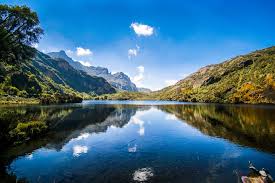
Nestled in western Uganda along the border with the Democratic Republic of Congo, Rwenzori Mountains National Park is one of Africa's most spectacular mountain wildernesses. Recognized as a UNESCO World Heritage Site, the park is renowned for its dramatic snow-capped peaks, glacial valleys, cascading waterfalls, crystal-clear rivers, and unique alpine landscapes unlike anywhere else on the continent.
Covering approximately 996 square kilometres, the park protects the central and highest ranges of the legendary Rwenzori Mountains, often referred to as the "Mountains of the Moon." This ancient name dates back over 2,000 years when the Greek geographer Claudius Ptolemy described a mysterious mountain range believed to be the source of the River Nile. Today, the Rwenzori Mountains remain one of Africa's greatest natural wonders.
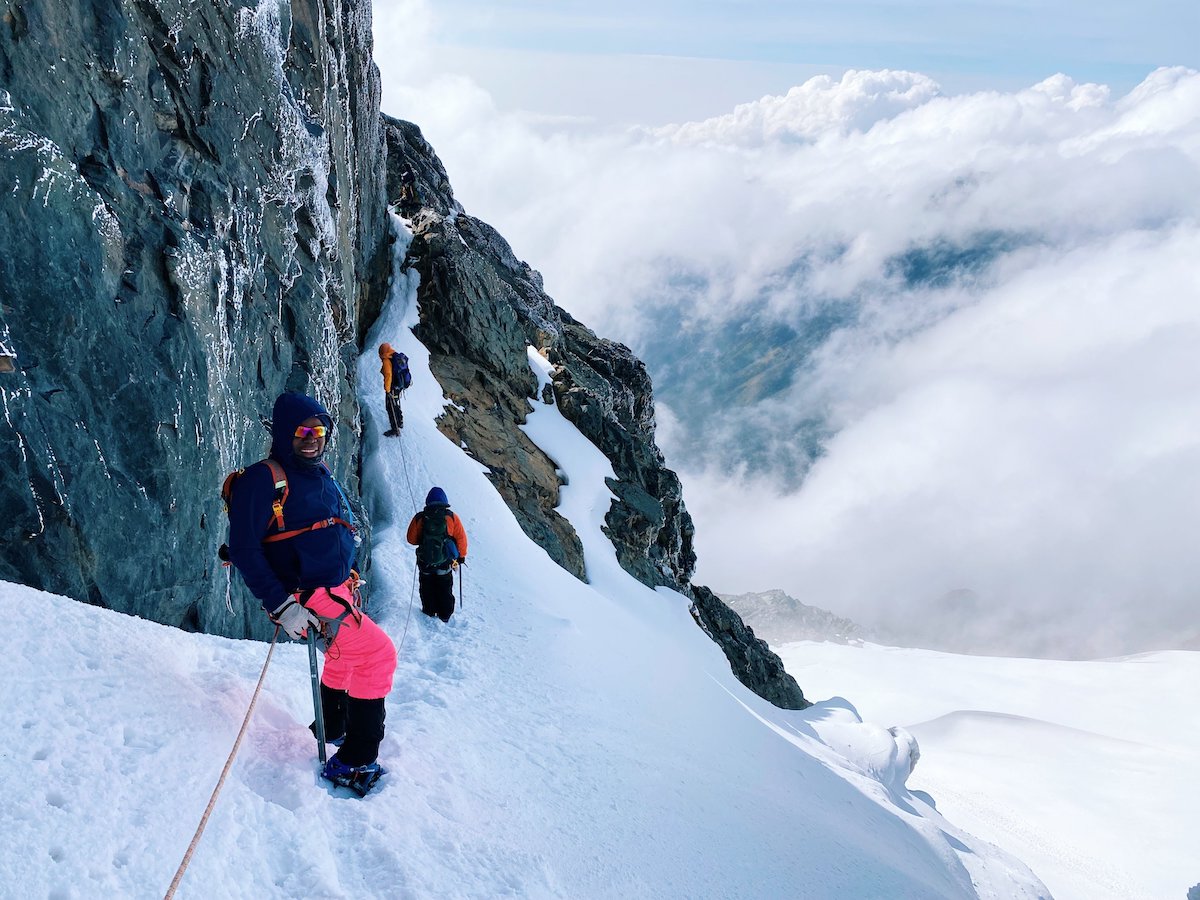
Unlike volcanic mountains such as Mount Kilimanjaro or Mount Kenya, the Rwenzori Mountains were formed through the uplifting of the Earth's crust, creating a rugged landscape of jagged peaks, deep valleys, glaciers, and permanent streams. The park is home to Mount Stanley, Africa's third-highest mountain at 5,109 metres (16,762 feet). Its highest summit, Margherita Peak, is permanently crowned with snow and ice, a remarkable sight almost on the Equator.
The park is celebrated for its extraordinary biodiversity. Dense tropical rainforests gradually give way to bamboo forests, giant heather, and otherworldly alpine vegetation featuring giant lobelias and giant groundsels that have evolved to thrive in the cool mountain climate. This unique ecosystem supports a rich variety of wildlife, including forest elephants, chimpanzees, black-and-white colobus monkeys, blue monkeys, duikers, and over 200 species of birds, many of which are found only in the Albertine Rift.
For adventure seekers, Rwenzori Mountains National Park offers some of Africa's finest hiking and mountaineering experiences. Whether embarking on a challenging multi-day expedition to Margherita Peak or exploring shorter nature trails through lush forests and scenic valleys, visitors are rewarded with breathtaking scenery, pristine wilderness, and unforgettable encounters with one of Africa's most remarkable mountain landscapes.
More than just a destination for climbers, Rwenzori Mountains National Park is a place where nature, adventure, and culture come together. Surrounded by welcoming local communities and steeped in legend, the Mountains of the Moon offer an unforgettable journey into one of Uganda's most extraordinary natural treasures.
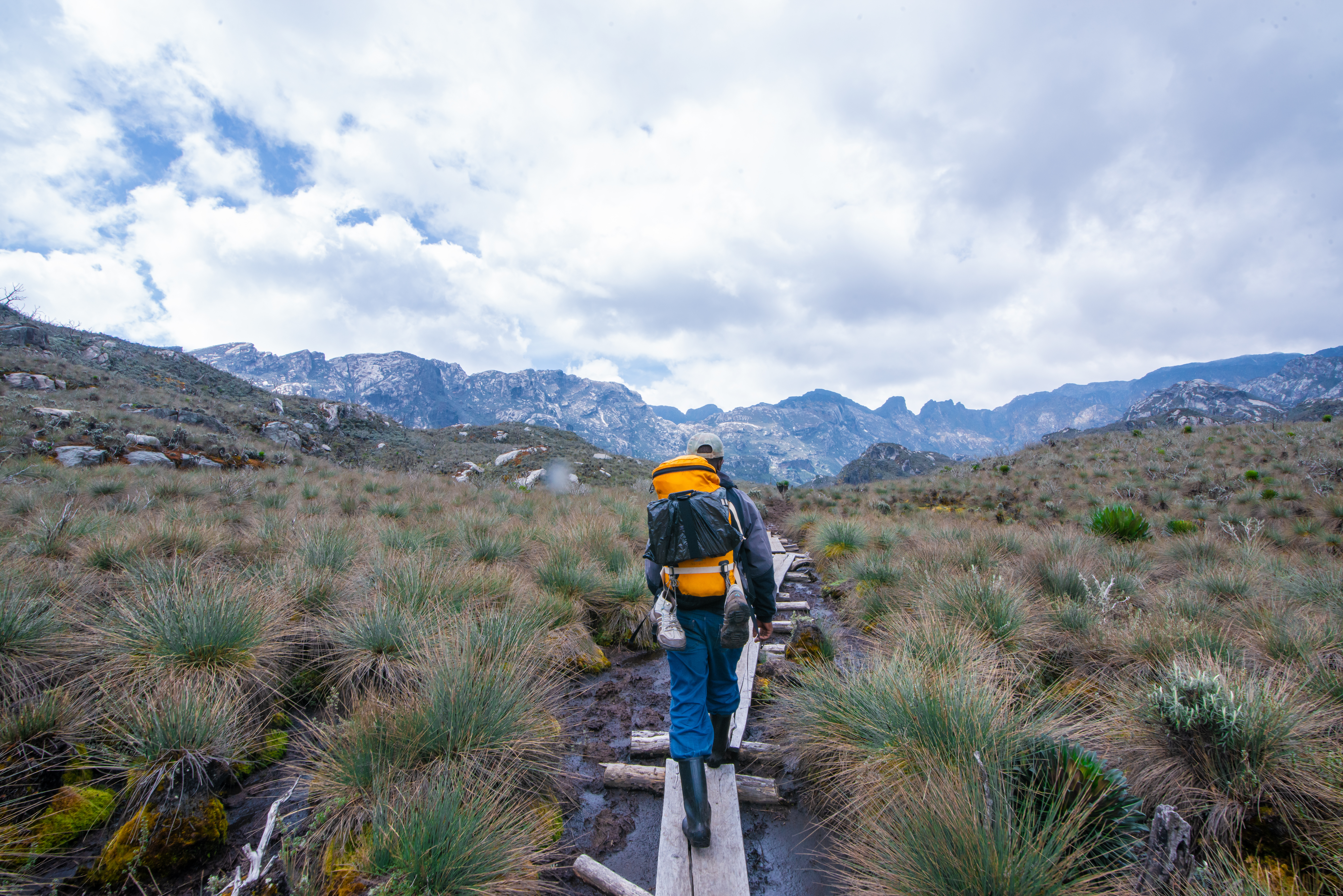
The Rwenzori Mountains offer one of Africa's most challenging and rewarding mountaineering experiences. Unlike the volcanic slopes of Kilimanjaro, the Rwenzoris are a rugged block mountain range carved by glaciers over millions of years. Climbers navigate rocky ridges, alpine meadows, moss-covered forests, bogs, glaciers, and snowfields before reaching Margherita Peak (5,109 metres) on Mount Stanley—the third-highest mountain in Africa. Multi-day expeditions typically take between 7 and 9 days, rewarding adventurers with breathtaking scenery that changes dramatically with every increase in altitude.
One of the Rwenzori's greatest wonders is its remarkable ecological diversity. As visitors ascend the mountain, they pass through five distinct vegetation zones, each with its own unique climate, wildlife, and plant communities.
The lower slopes are covered by lush tropical rainforest rich in giant trees, ferns, orchids, and vines. This forest is home to chimpanzees, black-and-white colobus monkeys, blue monkeys, forest elephants, and numerous bird species.
Higher up, dense bamboo forests dominate the landscape. These forests provide important habitat for many mammals and birds while protecting the mountain's fragile watershed.
This enchanting zone is characterized by giant heather trees draped in mosses and lichens, creating an almost mystical landscape often covered in mist.
One of the most unique ecosystems on Earth, the alpine zone is famous for its giant lobelias, giant groundsels, colourful mosses, and unusual plants that have adapted to the cold, high-altitude environment.
Near the highest peaks, vegetation becomes sparse as snow, glaciers, ice fields, and exposed rock dominate the landscape. This is one of the few places on the Equator where visitors can experience permanent snow and glaciers.
Rwenzori Mountains National Park is recognized as an Important Bird Area (IBA) and is home to numerous Albertine Rift endemic species found nowhere else on Earth. Bird enthusiasts can spot colourful turacos, sunbirds, robins, flycatchers, and many rare montane forest species while exploring the lower and middle elevations.
Recognized as a UNESCO World Heritage Site, Rwenzori Mountains National Park is celebrated for its exceptional natural beauty, unique ecosystems, and outstanding biodiversity. The park protects one of Africa's most remarkable mountain environments and plays a vital role in conserving the region's water resources and endemic species.
The Bakonzo are the indigenous people most closely associated with the Rwenzori Mountains. Their name, Bakonzo, literally means "the people of the mountains," reflecting the profound bond they share with this remarkable landscape.
For centuries, the Bakonzo have lived on the mountain slopes, practicing terraced agriculture on the steep hillsides while relying on the forests and rivers for water, medicinal plants, and other natural resources. They cultivate crops such as bananas, coffee, beans, cassava, maize, and vegetables, making the fertile mountain soils central to their livelihoods.
The Rwenzori Mountains hold great spiritual significance for the Bakonzo. In traditional beliefs, the mountains are regarded as sacred, and many stories and legends speak of ancestral spirits residing among the towering peaks and mist-covered forests. This cultural reverence has long encouraged respect for nature and the conservation of the mountain environment.
Visitors can experience Bakonzo culture through traditional dance performances, storytelling, local cuisine, village walks, and visits to community projects, offering a fascinating insight into life in Uganda's mountain communities.
Sharing the foothills of the Rwenzori with the Bakonzo are the Bamba people, who have also lived in the region for centuries. Traditionally occupying the lower slopes and forested areas, the Bamba have a long history of farming and utilizing the rich natural resources of the mountain environment.
Like the Bakonzo, the Bamba maintain strong cultural traditions expressed through music, dance, oral history, and craftsmanship. Their close relationship with the forests has contributed to a wealth of indigenous knowledge about medicinal plants, local wildlife, and sustainable use of natural resources.