Office Address
Kajjansi , Wakiso, Uganda
Email Address
info@wagwantours.com
Call Or WhatsApp Us
+256 779 699 457

Bwindi Impenetrable Forest National Park

About

Bwindi Impenetrable National Park – Uganda’s Gorilla Trekking Paradise

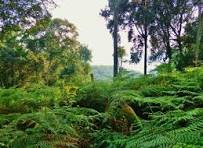
Bwindi Impenetrable National Park is one of Africa’s most remarkable rainforest destinations and a UNESCO World Heritage Site. Located in southwestern Uganda along the Albertine Rift Valley, Bwindi is world-famous for mountain gorilla trekking and its rich biodiversity.

Often described as “impenetrable,” the forest is a dense, ancient jungle filled with mist-covered hills, deep valleys, and extraordinary wildlife. It is one of the most biologically diverse ecosystems in Africa and a must-visit destination for nature and adventure travelers.

Location & Size

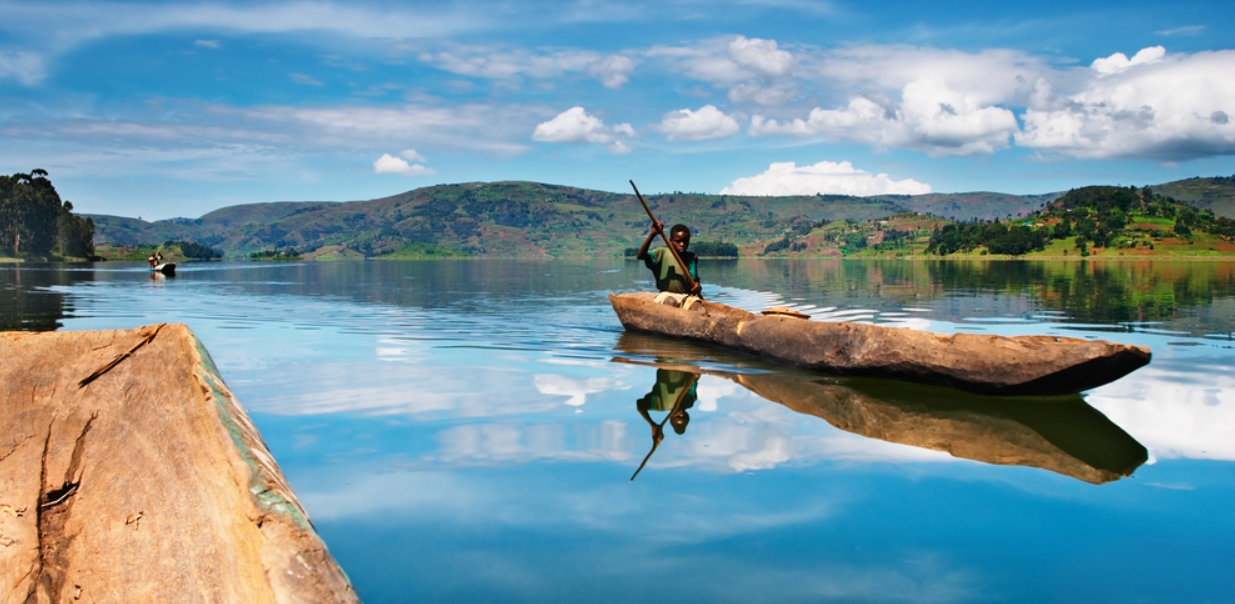
Bwindi is located in southwestern Uganda, covering the districts of Kanungu, Kisoro, and Kabale. The park lies close to the border with the Democratic Republic of Congo.

Area: Approximately 331 square kilometres
Altitude: 1,160 – 2,607 meters above sea level
Ecosystem: Ancient tropical montane rainforest

Gorilla Trekking in Bwindi

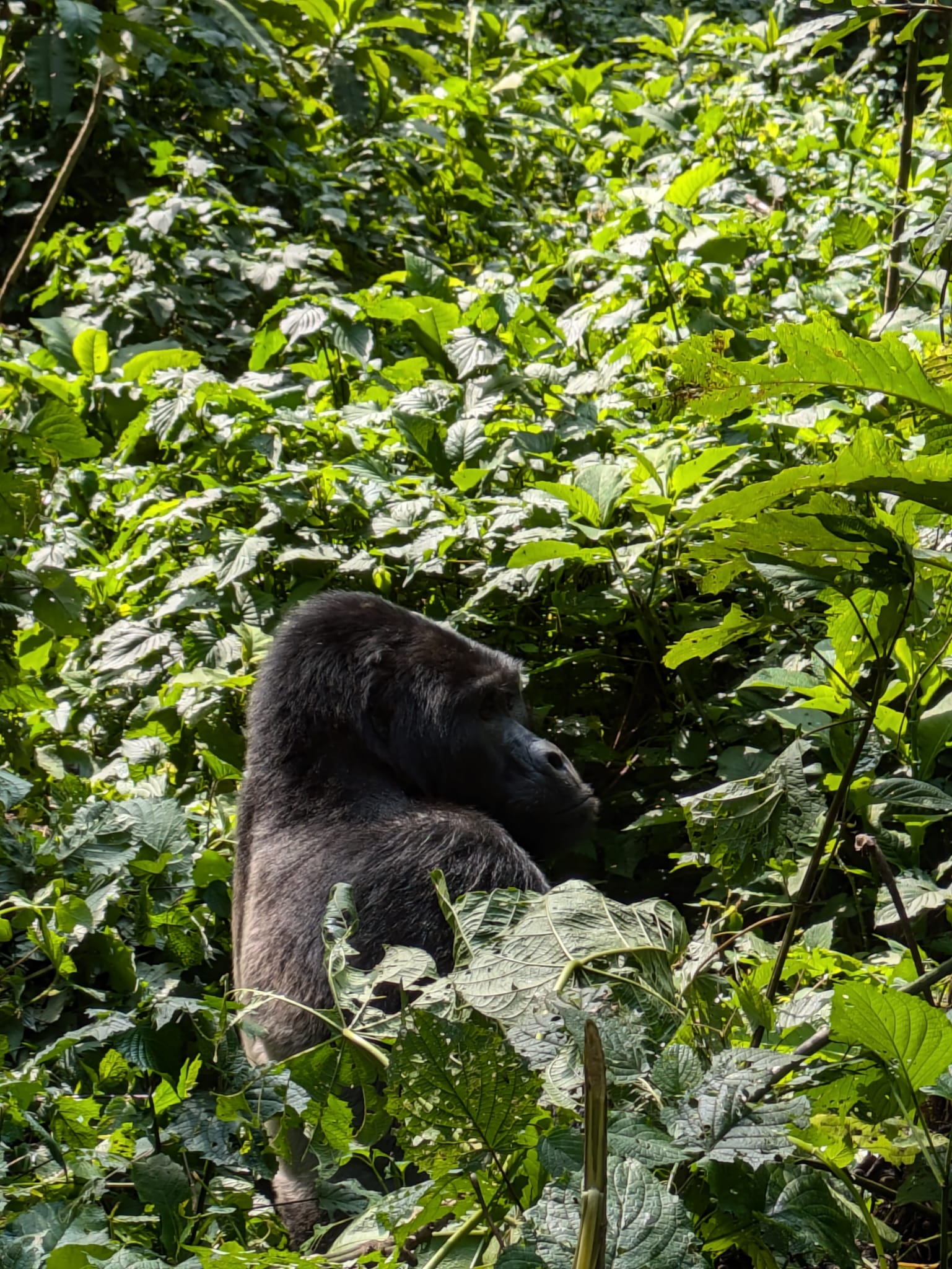
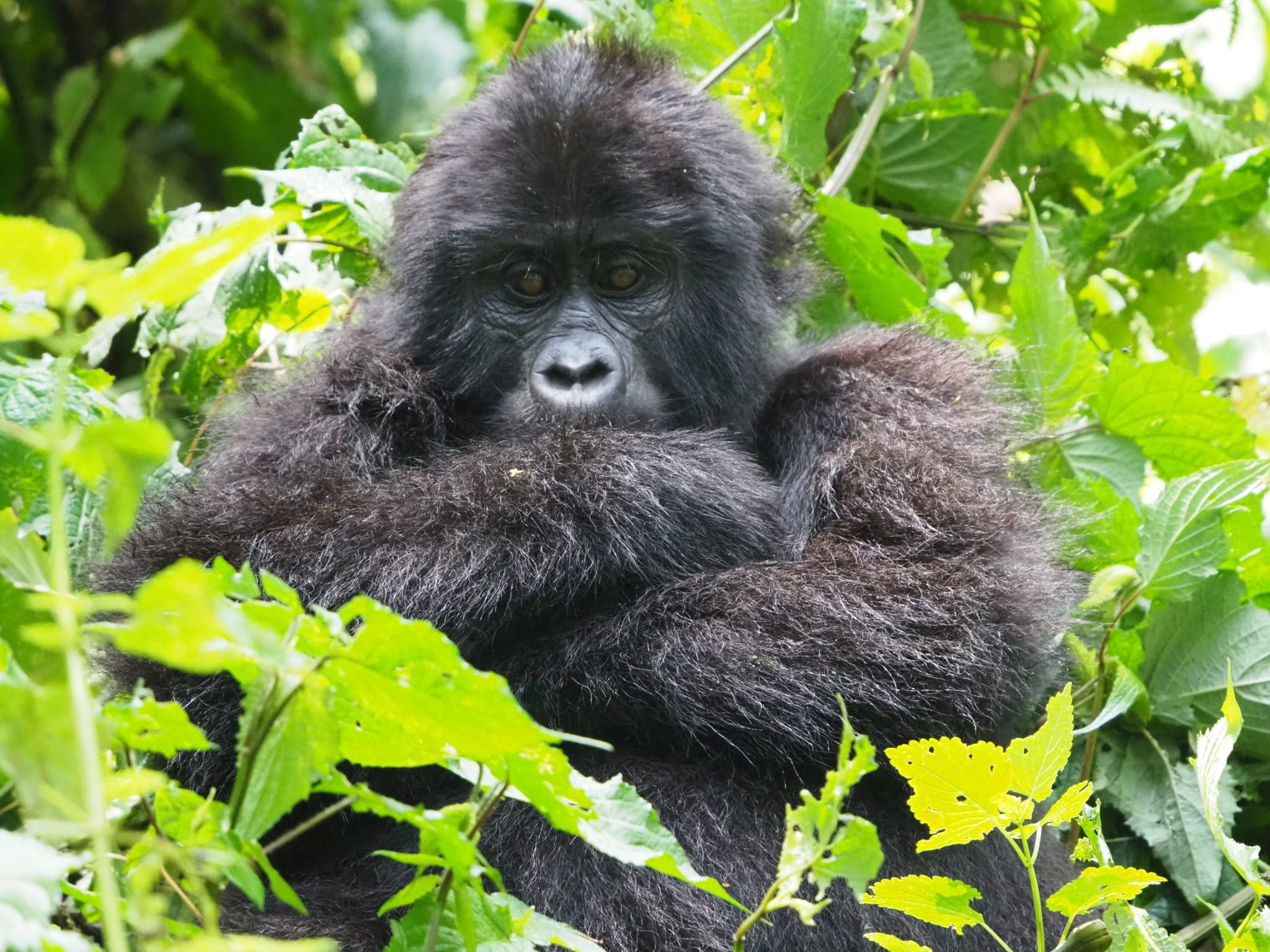
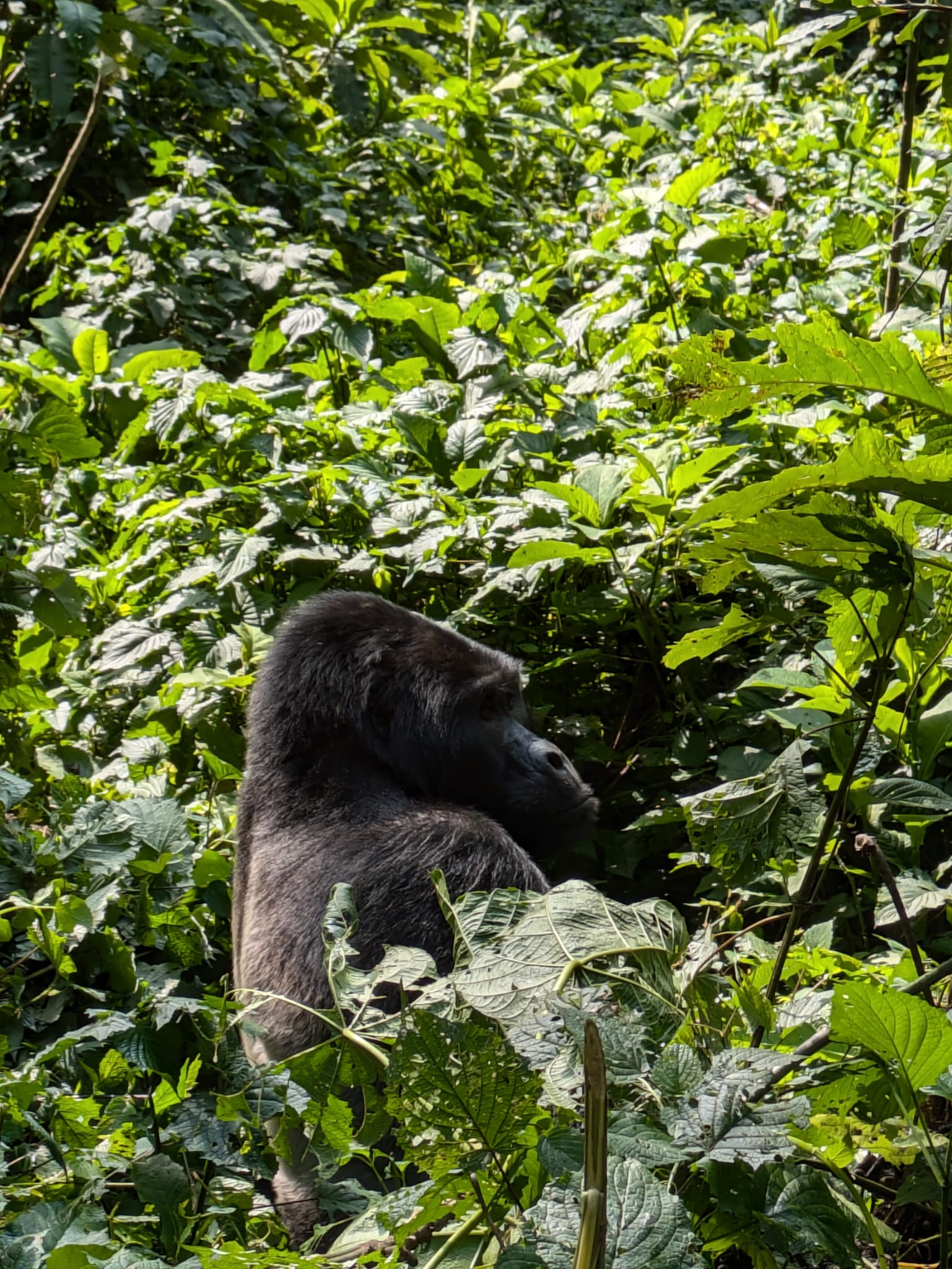
Bwindi is home to more than half of the world’s remaining mountain gorillas, making it the premier destination for gorilla trekking in Africa. The park offers carefully managed trekking experiences with small groups visiting habituated gorilla families daily.

Visitors typically spend one hour observing gorillas in their natural habitat after locating them with experienced Uganda Wildlife Authority rangers.


Beyond gorillas, Bwindi is home to:

Over 120 mammal species
More than 350 bird species (including Albertine Rift endemics)
Butterflies, primates, and rare plant species

Bwindi Impenetrable Forest National Park

Location

Southwestern Uganda

Key Highlights

Gorilla Trekking in Bwindi – A Once-in-a-Lifetime Wildlife Experience

Gorilla trekking in Bwindi Impenetrable National Park is one of the world's most extraordinary wildlife encounters. Hidden within the park's ancient rainforest lives one of the largest populations of the endangered mountain gorilla, making Bwindi the premier destination for observing these magnificent primates in their natural habitat.

Mountain gorillas once faced a serious risk of extinction due to habitat loss, poaching, and human conflict. Through decades of dedicated conservation efforts by the Uganda Wildlife Authority, local communities, conservation organizations, and international partners, their population has steadily increased. Bwindi has become a global conservation success story, demonstrating how responsible tourism can directly support wildlife protection. Today, every gorilla trekking permit contributes to gorilla conservation, anti-poaching patrols, scientific research, habitat management, and community development projects that encourage local people to protect the forest.
Bwindi is divided into four trekking sectors, each offering a unique experience while providing access to different habituated gorilla families.

  • Buhoma Sector (North)

    Buhoma is the oldest and most established trekking sector, where gorilla tourism in Bwindi began. It offers well-developed tourism facilities, scenic forest trails, and access to several habituated gorilla families. Its accessibility and range of accommodation make it a popular choice for first-time visitors.

  • Ruhija Sector (East)

    Located at higher elevations, Ruhija is known for its cooler climate, breathtaking mountain scenery, and excellent birdwatching opportunities. Trekking here often involves quieter trails, allowing visitors to enjoy both the gorillas and the remarkable biodiversity of the forest.

  • Rushaga Sector (South)

    Rushaga is home to the largest number of habituated gorilla families in Bwindi, offering visitors a greater chance of securing trekking permits. It is also the only sector where the Gorilla Habituation Experience is available, allowing guests to spend up to four hours with a gorilla family as researchers and rangers continue the habituation process.

  • Nkuringo Sector (Southwest)

    Nkuringo offers one of the most adventurous trekking experiences in Bwindi. The terrain is steeper and more challenging, but the reward is spectacular scenery, fewer crowds, and unforgettable encounters with gorillas against the backdrop of rolling hills and mist-covered forests.

Bwindi is recognized by UNESCO for its exceptional biodiversity and ecological importance.
It is one of the oldest and most biologically rich rainforests in Africa.

  • Mountain climbing
  • Photography
  • Wildlife watching

People & Culture

Batwa

The Batwa People of Bwindi

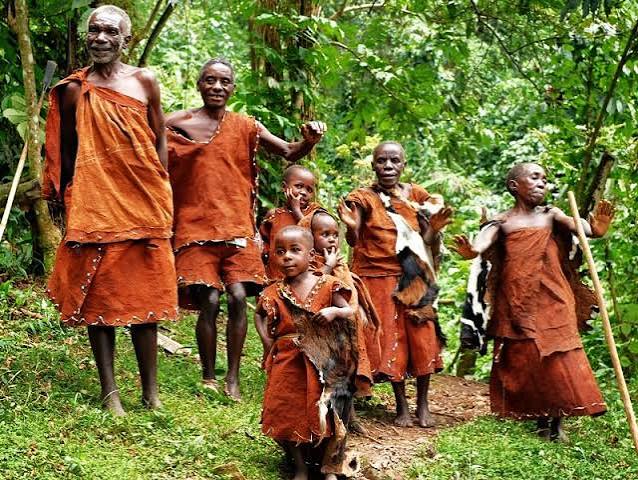
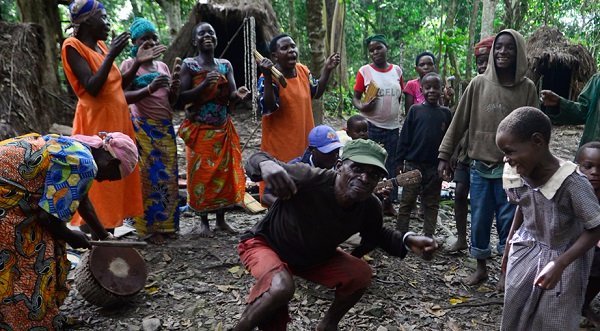
The Batwa are the indigenous people of the Bwindi region and are widely regarded as the forest's original inhabitants. For thousands of years, they lived in harmony with what is now Bwindi Impenetrable National Park, relying on the rainforest for food, medicine, shelter, and spiritual practices. As skilled hunter-gatherers, they possessed an intimate knowledge of the forest's wildlife, plants, and natural resources, passing this wisdom down through generations.

When Bwindi was designated a national park in 1991 to protect the endangered mountain gorillas and its unique biodiversity, the Batwa were relocated outside the forest. While this marked a significant change to their traditional way of life, the Batwa continue to preserve their rich cultural heritage through storytelling, music, dance, craftsmanship, and guided cultural experiences.

Today, a visit to a Batwa community offers travelers a unique opportunity to learn about one of Africa's oldest indigenous cultures and to understand the deep spiritual and historical connection between the Batwa people and the ancient Bwindi Forest. Their story is an important part of Bwindi's identity, reminding visitors that the forest is not only a sanctuary for wildlife but also a place of profound cultural significance.

Bakiga

The Bakiga are the largest ethnic group living around the highlands of southwestern Uganda, particularly in the districts of Kabale, Kanungu, and areas surrounding Bwindi Impenetrable National Park. Known for their resilience, hard work, and strong community values, the Bakiga have shaped much of the cultural landscape of the region.

Historically, the Bakiga are agricultural highland farmers who settled in the steep, fertile hills around Bwindi. They developed intensive terraced farming systems to adapt to the rugged terrain, cultivating crops such as bananas (matooke), beans, sorghum, potatoes, and maize. Their way of life is deeply connected to the land, with farming forming the backbone of their economy and daily survival.

The Bakiga’s relationship with Bwindi is both physical and cultural. Living along the forest edges, they have long depended on the surrounding environment for farming, water sources, and natural resources. Over time, conservation efforts around Bwindi have influenced land use and livelihoods, making the forest a shared space of coexistence between nature protection and community life.

Culturally, the Bakiga are known for their energetic traditional dances, strong oral traditions, and a deep sense of identity rooted in community and hard work. Today, they play an important role in tourism around Bwindi through guiding services, cultural performances, hospitality, and craft-making, helping visitors understand the human landscape that surrounds the forest.

The Bakiga remain an essential part of the Bwindi region, representing the living culture that exists alongside one of Africa’s most important rainforests.


Bafumbira

The Bafumbira are one of the key communities living in the southern highland areas of Uganda, particularly in Kisoro District near the southwestern edge of Bwindi Impenetrable National Park. They are closely associated with the scenic landscapes that connect Bwindi to the Virunga volcanic ranges, making them an important part of the cultural fabric of the region.

Historically, the Bafumbira are a mix of Bantu and influences from neighboring Rwanda, which has shaped their language, traditions, and social organization. They are predominantly farmers and cattle keepers, adapted to the cool, fertile volcanic soils of the highlands. Their livelihoods are strongly tied to the land, with farming activities such as growing beans, potatoes, maize, and bananas forming the foundation of their daily life.

Their connection to the Bwindi region is both geographical and economic. Many Bafumbira communities live near the southern trekking sectors of Bwindi, such as Nkuringo and Rushaga, where they interact with conservation areas and benefit from tourism activities. Over time, tourism has created new opportunities for employment in guiding, hospitality, cultural performances, and craft production, linking their livelihoods to the presence of the national park.

Culturally, the Bafumbira are known for their hospitality, strong family structures, and rich traditions of music and dance. Their cultural identity reflects a blend of highland farming life and cross-border influences, giving the region a unique cultural diversity.

Today, the Bafumbira remain an important part of the Bwindi landscape, representing the communities that live alongside the forest and contribute to its conservation through sustainable livelihoods and cultural tourism.

Ready to Travel With Real Adventure and Enjoy Natural

View Tours

Tours to Bwindi Impenetrable Forest National Park